In today’s real estate market, sustainability isn’t just a buzzword—it’s a strategic advantage. Developers and investors are increasingly recognizing that building green yields more than just environmental benefits. Forward-thinking leaders like John Picerne embody this shift, placing eco-conscious principles at the heart of modern real estate projects. Whether from reduced operational costs or a stronger market position, the incentives for sustainable builds continue to multiply as regulations tighten and consumer preferences evolve.
Beyond cost savings and compliance, sustainable development represents a significant opportunity to shape healthier, more resilient communities for future generations. As concerns about climate change and resource scarcity intensify, the real estate sector plays a pivotal role in driving positive change. Integrating sustainable strategies not only future-proofs assets but also secures stakeholder trust and satisfaction across the lifecycle of a property.
Economic Benefits of Sustainable Buildings
Sustainable real estate consistently delivers superior economic returns. Properties that secure sustainability certifications, such as LEED, BREEAM, or WELL, often command a premium in sales and rental rates. LEED-certified offices can fetch up to 20% higher market rents compared to non-certified buildings. Furthermore, the operational efficiencies gained from implementing renewable energy systems and high-efficiency appliances can reduce overheads by 14% to 30%, thereby fortifying net operating income and strengthening the property’s long-term value.
Reduced energy consumption and conservation strategies pay dividends over a building’s lifetime. Developers and owners benefit from lower ongoing maintenance costs and utility bills; these savings stack up over the years and often far outweigh any upfront investment. As a result, stakeholders enjoy not only immediate financial rewards but a growing long-term asset portfolio.
Enhanced Marketability and Occupancy Rates
Today’s tenants and buyers are more discerning, with an increasing preference for sustainability. Homes and commercial assets that feature advanced insulation, renewable energy systems, smart building technology, and robust indoor air quality controls see dramatically higher demand. Green-certified buildings have been shown to sustain occupancy rates that are up to 4.1% higher than those of standard buildings, with tenants committing to longer leases and owners experiencing shorter vacancy periods. These favorable trends are not only limited to luxury markets—eco-friendly community features are gaining traction across residential and commercial segments.
Developers who deliver sustainable properties demonstrate both environmental leadership and responsiveness to tenant needs, driving positive word-of-mouth and reputational benefits. As investor and consumer awareness rise, marketability will continue to skew in favor of sustainable projects.
Regulatory Incentives and Compliance
Across the globe, governments are enacting stringent policies to fast-track climate goals and reduce carbon footprints. For example, the UK’s Future Homes Standard aims to ensure that all new homes built from 2025 produce significantly fewer emissions—75–80% less than today’s levels. By pre-emptively embedding green practices into new developments, builders can secure tax credits, government-backed grants, and rebate programs designed to defray initial costs. At the same time, this strategy helps development teams avoid future penalties, costly retrofits, and compliance risks, offering peace of mind as climate-related regulations evolve.
Long-Term Resilience and Future-Proofing
Resilience remains a top priority for real estate investors and developers in an era of mounting climate unpredictability. Sustainable builds utilize high-performance materials, adaptive designs, and innovative construction methods that help protect assets against extreme weather, flooding, water scarcity, and temperature fluctuations. By prioritizing long-term durability, developers not only reduce the frequency and cost of repairs but also maximize asset lifecycle value, ensuring buildings remain attractive to occupants and investors even as climate conditions change.
Technological Advancements in Green Building
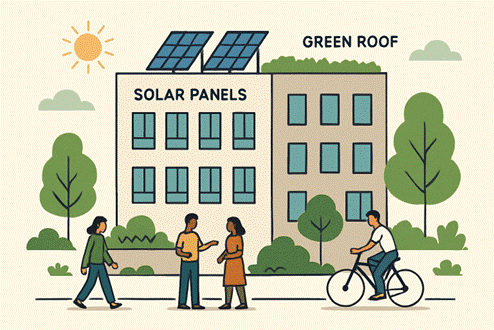
Innovative technology solutions are transforming what it means to build sustainably. Smart sensors monitor resource consumption in real time, enabling building operators to optimize heating, cooling, and lighting for both efficiency and comfort. AI-powered energy management, solar panels, and water reclamation systems are now pivotal to cutting emissions and costs. Occupants benefit from seamless control over their environment, often via smartphone apps, which improves satisfaction, retention, and engagement. The inexorable march of technology ensures the sustainable real estate sector will remain agile and innovative in the face of new challenges.
Social and Community Impact
Holistic developmental approaches elevate sustainable properties into thriving community anchors. Features like rooftop gardens, open green spaces, community parks, and walkable designs foster stronger social connections and a healthier lifestyle for residents. These attributes not only enhance the intrinsic value of a neighborhood but also contribute to stable, engaged, and resilient communities—factors that are increasingly important to municipalities, families, and investors alike.
Challenges and Considerations
Despite substantial advantages, green building projects are not without their challenges. The primary hurdles include higher initial construction expenses, limited access to specialized labor or expertise, and the constant need to stay ahead of rapidly evolving technologies and regulatory environments. Savvy developers view these as investments rather than setbacks. The enduring benefits—cost savings, increased valuations, and stakeholder goodwill—often vastly outweigh upfront expenditures. Continuous education and adaptation, coupled with collaboration across industries, are necessary to meet these demands and sustain competitive advantage.
Conclusion
Sustainable development is redefining the future of real estate, driving value for developers, investors, and communities alike. With rising market demand, supportive regulations, and significant economic benefits, green building is not merely a trend but a logical and strategic imperative. By leading with sustainability, the real estate industry can deliver robust returns, foster healthier communities, and shape a more responsible built environment for future generations.