How to Find a Jewelry Manufacturer That Offers Design Support?

Jewelry

Plenty of growing jewelry brands have a sharp creative eye but no in-house CAD designer, no 3D rendering software, and no spare hours to learn either. That’s not a weakness — it’s a stage of the business. What it does mean is that the brand needs a manufacturing partner who can carry the design load, not just press the button on production. Knowing how to find a jewelry manufacturer with real design support is what separates a brand that scales from one that stalls at the sketch stage.

What Design Support Actually Looks Like?

A jewelry manufacturer that says “we offer design support” can mean wildly different things. Here is what the phrase should cover when it’s the real deal:

  • CAD Modeling: Translation of a hand sketch, a reference photo, or a vague brief into a precise, manufacturable 3D file with proper tolerances.
  • 3D Rendering: Photoreal renders that let a brand approve looks, marketing visuals, and color stories before any metal is poured.
  • Sampling from Sketches: A direct path from rough drawing to a physical prototype — no demand for the brand to deliver a finished CAD file first.
  • Trend-Based Product Development: A factory team that watches market trends and proposes designs proactively, not just one that copies what’s emailed in.
  • Custom Mold Creation: In-house mold-making so each design becomes a repeatable, scalable product rather than a one-off.
  • Reverse Engineering: The ability to take an existing piece, target retail price, or competitor product and re-engineer it for your specs and margin.

If a supplier can’t tick all six, the brand will end up paying a freelance CAD designer on the side — which defeats the whole point of working with custom jewelry manufacturers in the first place.

Where to Look for a Jewelry Manufacturer?

Sourcing channels matter just as much as capability: 

  1. Trade shows like Hong Kong International Jewellery Show, JCK Las Vegas, and Vicenzaoro, etc. remain the strongest places to meet factory representatives face-to-face and feel the quality of physical samples. 
  2. B2B platforms such as Alibaba, Global Sources, and Made-in-China cast a wider net but require more vetting. Industry referrals from peer brands, jewelry consultants, and trade associations tend to deliver the highest-quality leads.
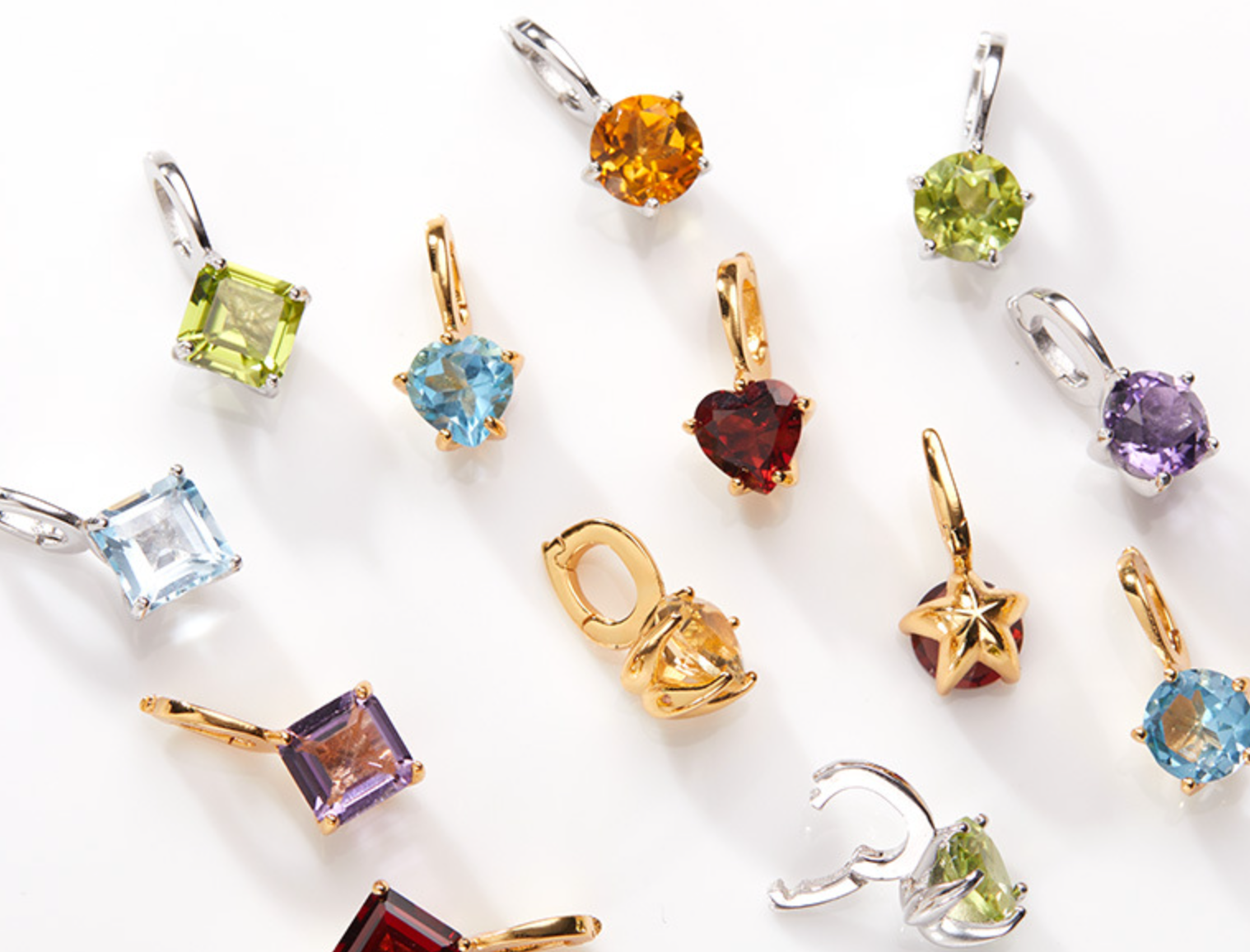
image 1

Once a shortlist exists, contact methods follow. Most jewelry manufacturers list: 

  • A direct phone line
  • A WhatsApp number
  • An email address
  • An inquiry form on their website

A quick test: drop a brief through every available channel and see which one responds fastest with substance — that response speed is a preview of how the entire partnership will run.

What to Ask Jewelry Manufacturers Before You Sign?

Marketing copy is cheap. Probing questions are how a brand finds out whether a factory’s design team actually fits. 5 worth asking on every first call:

  1. Cost & Revisions: “Are CAD fees rolled into the production cost, and how many revision rounds are included?” 

CAD work can quietly become the most expensive part of a project if every tweak triggers a new invoice. A first design rarely lands perfect — buyers usually need two or three rounds before approval. Factories that bury per-revision charges in the fine print can turn a $200 mold into a $2,000 surprise. The right jewelry manufacturing partner either folds CAD into the production cost or quotes a flat package with a defined revision count, so the brand knows the ceiling before work starts.

  1. Value Engineering: “Can your team reverse-engineer a design to hit a specific target retail price or metal weight?” 

Most brands don’t design backwards from margin — they design what looks good and hope the cost lands. A factory worth its salt can take a finished sketch, identify the gold weight that’s eating the margin, propose a hollow construction or a thinner shank, and rebuild the design around the price point. Without that capability, the brand either eats the margin or kills the design. With it, the brand gets both.

  1. Timeline: “What is your standard lead time from initial sketch submission to the delivery of the first physical prototype?” 

Time-to-market is everything in jewelry, especially for seasonal launches and trend-driven drops. A factory that quotes “around a month” without breaking down each stage usually has no real process — which means the brand’s launch date is at the mercy of the factory’s other clients. A serious answer sounds like 24-48 hours for quotation, 72-96 hours for 3D drawings, then 3-15 business days for the first sample. Specific day counts are evidence that the team has run the process hundreds of times.

  1. Communication: “Will I be communicating directly with a CAD designer, or passing notes through a sales rep?” 

Design feedback loses about 30% of its meaning every time it gets relayed through a middleman. A subtle prong angle or a half-millimeter band thickness change is hard enough to describe to the person making the file — describing it to a salesperson who then describes it to the designer is a recipe for three wasted sample rounds. Direct designer access shortens the loop, kills miscommunication, and is one of the strongest predictors of a smooth project.

  1. IP protection: “Who owns the final CAD files and the master rubber molds once paid for?”

This is the question that protects the brand’s entire future. If the factory keeps the molds, the brand is locked in — switching suppliers means starting from scratch. Worse, some factories quietly resell popular designs to other clients in different markets, and the original brand only finds out when a knockoff shows up on Amazon. A clear written agreement that the brand owns the CAD files and master molds after final payment is non-negotiable, and a signed NDA before any sketches change hands is the bare minimum.

How Star Harvest Answers These Questions?

Operating since 2005, Star Harvest specializes in OEM/ODM production for brass, stainless steel, and 925 silver, supported by a design and R&D team with over 20+ experience. Run the five questions above past the factory, Star Harvest can deliver:

image
  • CAD work is folded into the OEM service. A formal quotation is issued within 24-48 hours of receiving a brief, with FOB unit price, mold fee, and MOQ all spelled out upfront.
  • The R&D team performs DFM (Design for Manufacturing) analysis on every project, with structural engineering optimization to hit target weight, cost, and durability — exactly what reverse engineering for a target retail price requires.
  • A 3D engineering drawing with tolerance analysis arrives within 72-96 hours, and the first physical sample lands within 3-15 business days. For brass, the full development cycle runs 18-22 days; for 316L stainless steel, 12-15 days.
  • Each OEM project is run by a dedicated cross-functional team — engineering, production, and QC — that communicates directly with the brand instead of routing notes through a sales layer.
  • An NDA is signed before any design evaluation, and OEM projects run on independent production lines. Once an order is completed, the design files are delivered to the customer.

Contact Star Harvest is easy. You can: 

  • By phone and WhatsApp(+86-769 8538 6106);
  • By email (Sales6@starharvestcn.com), or
  • The inquiry form on https://www.starharvestcn.com/contact/

Conclusion

Knowing how to find a jewelry manufacturer with serious design support comes down to asking the right five questions and matching the answers to your brand’s stage and ambitions. Pick a partner whose design team treats jewelry customization as engineering — not as decoration — and the rest of the production journey gets a whole lot smoother.

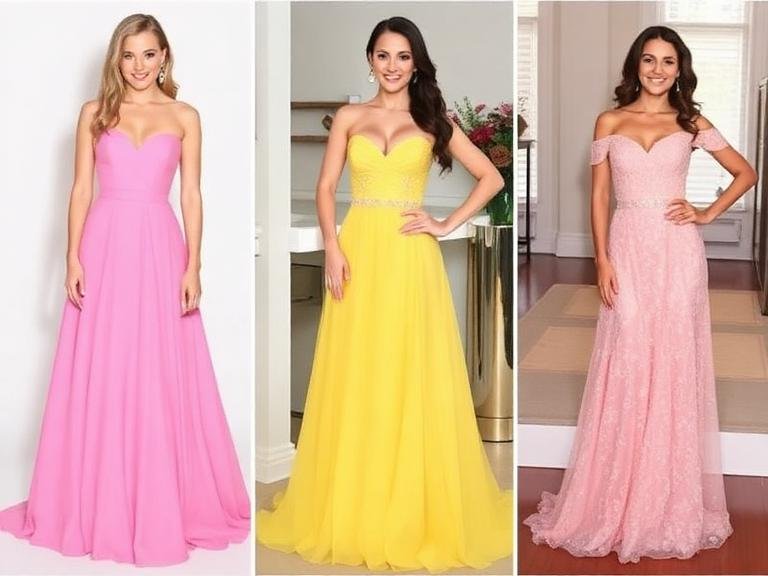
Are Prom Dresses Long or Short?

Are Prom Dresses Long or Short

If you’re like most prom-goers, you’ve already saved a million inspo pics and daydreamed about that perfect dress. You probably know whether you want your dress to be all sparkly, sleek satin, or delicate lace. But what about the length of the dress? Deciding between a long gown and a short dress is the most … Read more

Green Turquoise Jewellery: Appealing to Younger Luxury Consumers

Green Turquoise Jewellery

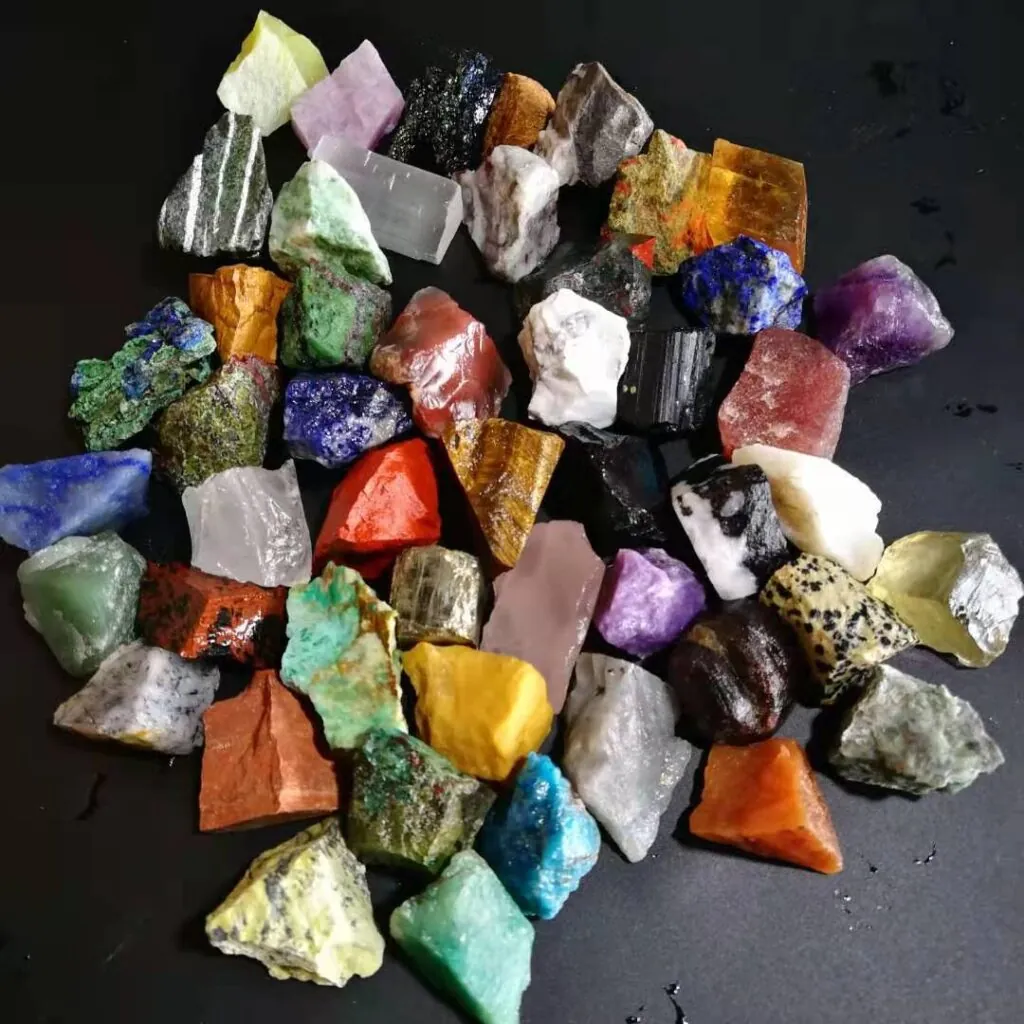
In the jewellery market, the quintessential “turquoise” experience was defined by the flawless, robin’s-egg blue of the Sleeping Beauty mine—a standard of perfection that dominated traditional luxury for decades.

Now, the green turquoise jewellery is also gaining traction among younger luxury consumers who seek pieces that tell a story of earthiness, individuality, and organic beauty.

For mid-to-large-scale jewellery brands and growing e-commerce retailers in the United Kingdom, this trend presents a strategic opportunity. The rise of green turquoise jewellery reflects an alignment with the values of Gen Z and Millennial buyers. 

So, in this article, we are going to explain how this unique variation of a classic stone is resonating so powerfully and how established brands can leverage it to capture a sophisticated, values-driven audience.

The Psychology Behind the Appeal: Why Younger Consumers Choose Green Turquoise Jewellery

To understand the rising demand, one must look beyond the stone’s physical properties to its psychological impact. Younger consumers are increasingly drawn to jewellery that serves as a talisman for their lifestyle values.

  1. Emotional Signals of the Colour of Green

While blue evokes calmness and tradition, green is viscerally connected to vitality, growth, and nature. In a post-pandemic world, younger demographics are prioritizing wellness, mindfulness, and a “grounded” existence. Light green turquoise jewellery, with its soft, minty hues, aligns perfectly with this desire for balance. It fits seamlessly into the “organic luxury” aesthetic, where the focus is on materials that feel unrefined yet premium. For the UK market, where “cottagecore” and nature-inspired aesthetics have seen sustained popularity, the green variant offers a fresh alternative to the clinical perfection of diamonds or standard blue stones.

  1. Symbolic Meanings in Modern Culture 

Turquoise has always been revered as a protective stone, a bridge between heaven and earth. However, the green variety is increasingly interpreted through the lens of “heart energy” and emotional healing. For the modern consumer, jewellery is often a form of self-expression and spiritual armouring. Wearing a stone that looks like it was plucked directly from the earth—matrix patterns and all—signals a rejection of mass-produced sterility in favour of authentic connection.

  1. Aesthetic Versatility for Contemporary Wardrobes 

From a styling perspective, green turquoise is remarkably versatile. It bridges the gap between the minimalist “clean girl” aesthetic and the maximalist “eclectic grandpa” or boho-luxury trends seen on social platforms. It pairs exceptionally well with the warm, buttery tones of recycled gold and brass, a staple in the current “capsule wardrobe” culture.

Values-Based Purchasing: Sustainability, Ethics, and Transparency

For the target demographic of medium-to-large brands, the backstory of the product is as critical as the design itself. Green turquoise offers a unique platform to discuss sustainability and authenticity.

  1. Evaluating Authenticity and Treatment

Younger buyers demand transparency. They understand that not all turquoise is gem-grade natural stone, and they are often accepting of treated stones if the brand is honest. This is where green copper turquoise jewellery finds its niche. Often created by combining turquoise with copper spiny oyster or reconstituting stone with copper veining, this material offers a stunning, mosaic-like visual that is durable and affordable. Brands that clearly label these materials as “artisan-engineered” or “stabilized for durability” build trust. It allows brands to offer the visual impact of heavy matrix patterns without the fragility of soft, natural chalk turquoise.

  1. Ethical Sourcing and Traceability 

The push for Responsible Jewellery Council (RJC) standards and ESG (Environmental, Social, and Governance) alignment is non-negotiable for many large retailers. Green turquoise, often sourced from specific mines in Nevada (like Royston or Carico Lake) or ethical operations elsewhere, can be part of a “conscious luxury” narrative. Brands can highlight the traceability of their supply chain, assuring customers that their green turquoise jewellery supports responsible mining communities.

  1. Durability and Longevity 

Practically, the stabilized nature of wide green turquoise varieties is a selling point. Gen Z buyers want “everyday luxury”—pieces they can sleep, shower, and live in. Stabilized green turquoise offers the hardness required for daily wear, unlike untreated specimens, which can change colour or crumble. This practical durability acts as a significant conversion factor for hesitation-prone online shoppers.

Strategic Leverage for Mid- and Large-Sized Brands

For established brands, the challenge is not just identifying the trend but scaling it effectively. Here is how to integrate green turquoise into a broader commercial strategy.

  1. Collection Planning
  • Creating a Cohesive Aesthetic 

Successful integration requires a systematic design approach. Brands should move beyond one-off pieces and develop modular collections. A “Forest & Earth” line, for instance, could utilize dark green turquoise jewellery set in matte gold to evoke a moody, sophisticated vibe suitable for Autumn/Winter collections. By standardizing stone sizes and shapes (e.g., uniform cabochons or calibrated squares), brands can maintain the consistency required for mass production while allowing the stones’ internal matrices to provide the “unique” factor consumers crave.

  • Design Strategies for the Youth Market 

To modernize the look, avoid the traditional “Southwestern silver” tropes unless that is your specific niche. Instead, opt for:

  • Bold Bezel Settings: Protect the stone and offer a sleek, modern outline.
  • Mixed Textures: Pair the waxy lustre of green turquoise with brushed or hammered metals.
  • Narrative Pairings: Combine dark green turquoise jewellery with other earth-tone gems, such as citrine or smoky quartz, to create a rich, tonal palette that appeals to the “old money” aesthetic popular on TikTok.
  • Storytelling and Digital Merchandising

On e-commerce platforms, photography is paramount. High-resolution images must capture the depth and matrix of the stone. Use “lifestyle” shots that place the jewellery in nature—on a hike, at a pottery class, or in a sunlit cafe—to reinforce the lifestyle association. Copywriting should focus on “variations” as a feature, not a bug. Explicitly stating, “Your stone is one-of-a-kind,” manages expectations regarding natural colour shifts while turning distinctiveness into a selling point.

  1. Price Positioning 

Green turquoise jewellery allows for a tiered pricing architecture.

  • Entry Level: Green copper turquoise jewellery in high-polish stainless steel. 

Focus: High durability, hypoallergenic properties, and volume sales for the fashion-forward consumer.

  • Mid-Tier: Light green turquoise jewellery featuring PVD gold plating. 

Focus: The “Gold Look” with the superior durability and price stability of a steel or brass core, appealing to the trend-conscious buyer.

  • Premium Tier: Dark green turquoise jewellery featuring complex multi-stone settings or “Artisan” textured brass designs. 

Focus: Intricate craftsmanship, heavy-weight settings, and unique stone matrices that command a higher price point based on design exclusivity.

Star Harvest: Your Partner in Scalable Manufacturing on Green Turquoise Jewellery

Executing a gemstone-led collection at scale requires a manufacturing partner who understands both the nuance of natural materials and the rigors of mass production.

Star Harvest stands as a premier partner for medium- to large-scale jewellery brands looking to capitalize on the green turquoise trend. With over 18 years of experience in OEM jewellery manufacturing, we can bridge the gap between artisanal design concepts and industrial reliability.

For brands targeting the UK and global markets, supply chain stability is critical. Star Harvest’s extensive network enables consistent sourcing of turquoise materials—from vibrant light-green turquoise jewellery stones to deep, matrix-rich varieties, ensuring that the base metal matches the quality of the stone.

At Star Harvest, we can specialize in advanced finishing techniques, including durable PVD plating and custom texturing, which are essential for creating the “organic luxury” look without the volatility of precious metal markets. Our rigorous quality control systems are designed to handle the variations inherent in semi-precious stones, ensuring that every piece shipped meets the exacting standards of a global brand. 

Whether you are launching a high-volume seasonal collection or a specialized boutique line, Star Harvest provides the technical expertise and production capacity to turn the green turquoise trend into a sustainable revenue stream for the young luxury seekers. To get more details on manufacturing the custom green turquoise jewellery, don’t hesitate to get in touch with Star Harvest today!

Innovations in Workwear: Balancing Durability and Modern Trends

Workwear

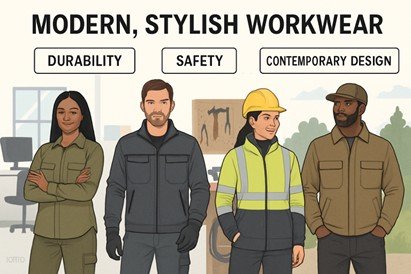
The world of workwear has undergone a remarkable transformation, moving beyond its original utilitarian roots to embrace cutting-edge practices in fashion, technology, and sustainability. Now, more than ever, Dickies workwear and similar industry pioneers lead the way in creating attire that simultaneously addresses practicality, style, and environmental commitments. As professionals demand apparel that performs under pressure while … Read more

Top 4 Makeup Products That Enhance Your Beauty

Top 4 Makeup Products That Enhance Your Beauty

Makeup is a fun and simple way to boost your beauty and feel more confident. It’s not always about looking different, it’s about bringing out the best version of yourself. Even with just a few basic makeup products, you can brighten up your face and cover tired spots. Good makeup adds a fresh touch to … Read more

In the Hoodies The Men’s How To Wear Guide

999 Club

Hoodies are a staple in every man’s wardrobe, offering comfort, versatility, and style. Whether you’re dressing up or down, a hoodie can be a perfect addition to your outfit. This guide will provide tips on how to wear hoodies for different occasions, ensuring you look your best while staying comfortable. 1. Choosing the Right Hoodie … Read more

Youth Outfit: A Clothing Brand for Men

Youth Outfit: A Clothing Brand for Men

Youth Outfit is a vibrant and dynamic clothing brand designed for the modern man who values style, comfort, and quality. Whether you’re looking to upgrade your casual wardrobe or add a touch of sophistication to your formal attire, Youth Outfit offers a diverse range of clothing options to suit every occasion. In this blog, we … Read more