
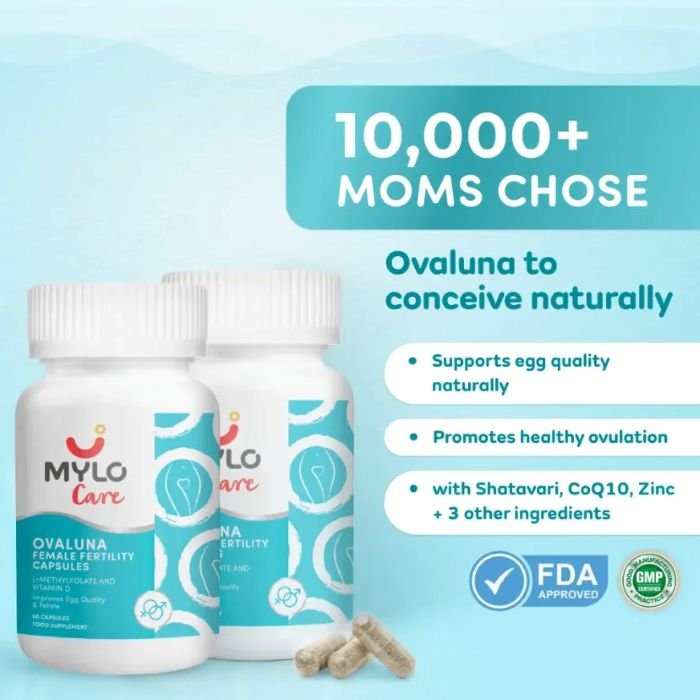
Pregnancy planning often begins long before a positive test result. Daily nutrition, consistent routines, balanced hormone function, and overall reproductive wellness all contribute to the body’s readiness for conception. For many women, understanding these factors early creates a stronger foundation for the months ahead. Choosing reliable guidance and maintaining realistic expectations can make the process feel more manageable instead of overwhelming, especially when every step is supported by informed decisions and healthy lifestyle habits, including Fertility Tablets For Women when recommended as part of an overall wellness plan.
Rather than focusing on a single solution, fertility preparation involves several interconnected aspects of health. Sleep quality, stress management, physical activity, hydration, and nutrient intake all influence reproductive function over time. Paying attention to these elements before actively trying to conceive allows women to improve their overall well-being while preparing their bodies for a healthy pregnancy journey.
Why Fertility Depends on More Than One Lifestyle Factor
Reproductive health reflects the body’s overall condition. Hormones communicate constantly with organs responsible for ovulation, metabolism, and menstrual regulation, making everyday habits more important than many people realize. Even small improvements maintained consistently can support healthier reproductive function over time without requiring drastic lifestyle changes.
Nutrition Builds the Foundation for Reproductive Wellness
Every stage of the reproductive cycle depends on adequate nutrition. Vitamins, minerals, healthy fats, and quality proteins support hormone production alongside normal cellular function. A balanced diet also helps maintain healthy body weight, which plays a significant role in menstrual regularity and ovulation.
Hormonal Balance Supports Regular Ovulation
Hormones influence every stage of conception, beginning with egg development and continuing through implantation. When hormone levels fluctuate significantly because of stress, poor nutrition, or underlying health conditions, menstrual cycles may become irregular.
Daily Movement Encourages Overall Health
Exercise benefits fertility when approached with balance. Moderate physical activity supports circulation, metabolic health, and emotional well-being without placing unnecessary stress on the body. Walking, swimming, yoga, and strength training performed consistently often provide long-term benefits.
Emotional Well-Being Matters Throughout the Journey
Preparing for pregnancy can bring excitement alongside uncertainty. Emotional stress affects overall health, sleep quality, appetite, and daily routines, all of which indirectly influence reproductive wellness. Developing healthy coping strategies helps women maintain perspective during every stage of family planning.
Creating a Routine That Supports Reproductive Health
Healthy fertility habits become easier to maintain when they are incorporated into everyday life instead of treated as temporary changes. Small improvements practiced consistently often have a greater long-term impact than dramatic lifestyle shifts that are difficult to sustain. Establishing realistic routines also helps women feel more prepared throughout the conception journey.
- Eat balanced meals that include protein, fiber, healthy fats, and essential vitamins.
- Stay hydrated throughout the day to support normal body functions.
- Maintain a consistent sleep schedule whenever possible.
- Participate in moderate physical activity several times each week.
- Schedule routine health checkups before trying to conceive.
Understanding the Role of Nutritional Support
While wholesome food remains the primary source of nutrients, some women may require additional nutritional support based on their health status or dietary intake. Healthcare providers often evaluate vitamin levels, lifestyle habits, and reproductive goals before suggesting appropriate supplementation.
Selecting quality supplements should always involve careful consideration of ingredients, recommended dosage, and medical advice. The goal is not to replace healthy eating but to complement an already balanced lifestyle with targeted nutritional support when necessary, including choosing the Best Fertility Supplements For Women under professional guidance.
Key Nutrients That Often Support Fertility
Several nutrients contribute to normal reproductive health by supporting hormone production, cellular growth, and overall wellness. Maintaining adequate levels before conception can help prepare the body for pregnancy while reducing the likelihood of nutritional deficiencies.
Important nutrients commonly discussed during fertility planning include folic acid, iron, vitamin D, omega-3 fatty acids, zinc, iodine, and antioxidants. Individual requirements vary, making professional consultation valuable before beginning supplementation.
Building Healthy Habits Before Conception
Preparing for pregnancy extends beyond nutrition alone. Healthy routines developed before conception often continue throughout pregnancy, benefiting both maternal well-being and fetal development. Establishing these habits early creates a smoother transition once pregnancy begins.
Simple practices such as managing stress, limiting alcohol, avoiding tobacco, prioritizing sleep, and attending preventive healthcare appointments contribute to overall reproductive wellness while supporting long-term health goals.
When Professional Guidance Becomes Important
Not every fertility journey follows the same timeline. Some women conceive quickly, while others may require additional evaluation to understand factors affecting reproductive health. Seeking timely medical advice allows potential concerns to be identified before they become more complicated.
Healthcare professionals can recommend appropriate testing, discuss menstrual health, review medical history, and suggest individualized treatment strategies when necessary. Personalized guidance helps women make informed decisions based on evidence rather than assumptions.
- Track menstrual cycles to better understand ovulation patterns.
- Discuss existing medical conditions with a qualified healthcare provider.
- Review current medications before planning pregnancy.
- Seek medical evaluation if conception takes longer than expected.
- Follow professional recommendations regarding nutrition and supplementation.
Final Thoughts
Wondering where to find reliable fertility guidance and trusted pregnancy resources in one place? Building healthy habits becomes easier when expert-backed information, practical tracking tools, and quality wellness products are available together. Mylo supports women through every stage of their reproductive journey by offering educational resources, pregnancy planning tools, expert-led content, and thoughtfully developed wellness solutions. For women looking to complement healthy lifestyle choices, Mylo Fertility Capsules can be explored alongside professional medical advice as part of a comprehensive approach to reproductive wellness.
Stay Connected With Mylo Pregnancy & Parenting App
Digital tools can simplify every stage of the fertility and pregnancy journey by helping women stay organized and informed. The Mylo Pregnancy & Parenting App offers features such as pregnancy tracking, ovulation support, informative articles, parenting guidance, baby growth updates, community discussions, and useful health calculators, making it a practical companion from conception through early parenthood. Among today’s Pregnancy Apps, choosing one that combines evidence-based information with personalized tracking and supportive resources can help women make confident decisions while staying engaged throughout their pregnancy experience.