
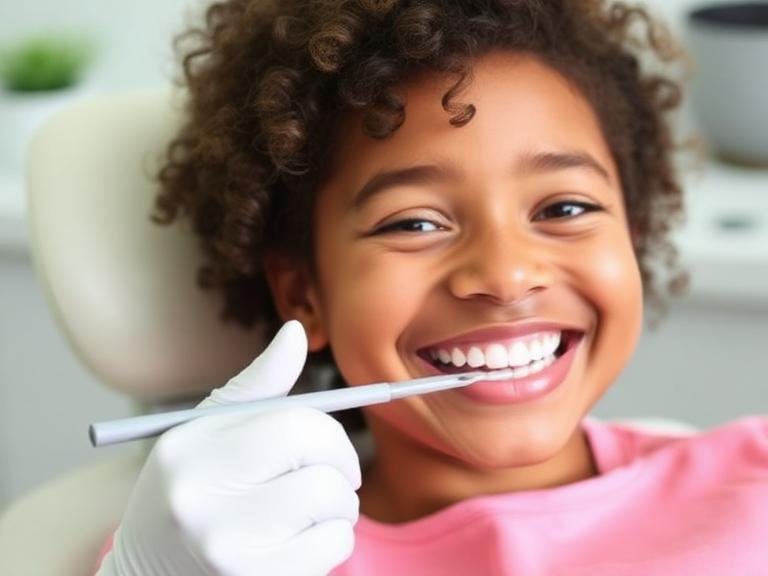
Maintaining optimal oral health is a lifelong journey that begins in childhood and extends throughout adulthood and into our senior years. Proactive dental care helps prevent minor oral problems from becoming major health concerns, which can affect both your overall well-being and quality of life. For families seeking comprehensive solutions, a general dentist for families offers invaluable expertise for patients at every life stage, helping ensure a lifetime of healthy smiles. Starting dental visits early and keeping up with regular check-ups form the foundation of good oral practices that benefit every member of the family. From teaching kids the basics of brushing to addressing orthodontic needs for teens and caring for aging teeth, preventive family dentistry helps create and maintain strong oral health habits and outcomes over time.
Early Childhood Care: Building a Strong Foundation
Creating dental routines should begin as soon as your child’s first tooth appears. A child’s initial dental visit, ideally within six months of the first tooth erupting, helps track oral development, detect potential concerns, and guide care for young teeth. At Advanced Smiles Marion, these early check-ups are designed to make the experience positive and comfortable, reduce future anxiety, and help instill good lifelong habits. Regular dental visits also allow parents to learn proper brushing and flossing techniques for young children. Establishing these habits early sets the foundation for a lifetime of healthy smiles.
Adolescent Dental Health: Navigating Changes
The adolescent years bring rapid physical changes, including the growth of permanent teeth and, often, the need for orthodontic care. Dietary shifts, busy schedules, and hormonal changes can all increase the risk for cavities and gum disease in teenagers. Regular dental visits and ongoing education help teens navigate these challenges, reinforcing the importance of proper brushing, flossing, and healthy eating. Dental professionals are also equipped to spot common issues early, such as complications with wisdom teeth and sports-related dental injuries.
Adult Oral Maintenance: Preserving Your Smile
Preventive dentistry remains critical during adulthood, as this stage often involves maintaining previous dental work, monitoring for early signs of gum disease, and addressing tooth sensitivity or enamel wear. The CDC provides valuable tips for adults to support daily oral health, helping reduce risks from lifestyle choices such as tobacco use, stress, or diet. Regular cleanings, examinations, and patient education can minimize the extent and cost of dental treatments while keeping teeth and gums healthy.
Senior Dental Care: Addressing Age-Related Concerns
Aging can introduce a variety of oral health challenges, from dry mouth (often medication-related) to increased risk of root decay. Seniors may also face issues with tooth loss, poorly fitting dentures, or diminished dexterity that affects their ability to maintain oral hygiene. Preventive care during these years centers on managing existing conditions, recommending appropriate aids or appliances, and ensuring that any dental prosthetics fit comfortably and support good nutrition. Consistent dental check-ups empower seniors to enjoy a better quality of life and overall health as they age.
Preventive Measures: Fluoride Treatments and Sealants
Preventive treatments such as fluoride applications and dental sealants provide extra protection against tooth decay for both children and adults. Fluoride, whether applied topically by a dentist or found in daily-use toothpaste, helps fortify tooth enamel against bacteria and acids. Sealants, thin protective coatings painted onto the back teeth, are especially effective for kids and teens, helping keep hard-to-brush chewing surfaces free of cavities.
Oral Health Education: Empowering Families
Empowering families with clear, accessible information is critical for effective preventive care. Patient education on proper brushing techniques, flossing, and the impact of sugar on teeth encourages consistent home care and healthier food choices. When families understand how oral health is connected to whole-body wellness, they are better equipped to make wise decisions and avoid risk factors for dental problems. Knowledgeable patients are more likely to keep their dental appointments and follow professional advice, leading to lasting improvements in oral health.
Regular Dental Visits: The Key to Prevention
Routine dental appointments are the backbone of effective preventive dentistry. During these visits, professionals conduct thorough examinations, remove built-up plaque and tartar, and identify any emerging issues before they become serious. Dental check-ups also offer an opportunity to discuss questions or symptoms, adapt care strategies for chronic conditions, and tailor treatment to each patient’s evolving needs. Consistent care, even in the absence of pain or visible problems, is essential for protecting both teeth and gums for life.
Conclusion
Preventive family dentistry supports vibrant oral health at every stage of life, from a child’s first visit to the unique needs of seniors. By prioritizing regular dental appointments, building strong habits, and leveraging advances in preventive care, families can achieve and maintain bright, healthy smiles for generations. The partnership between skilled dental professionals and engaged families not only safeguards teeth but also underpins overall health and well-being.