
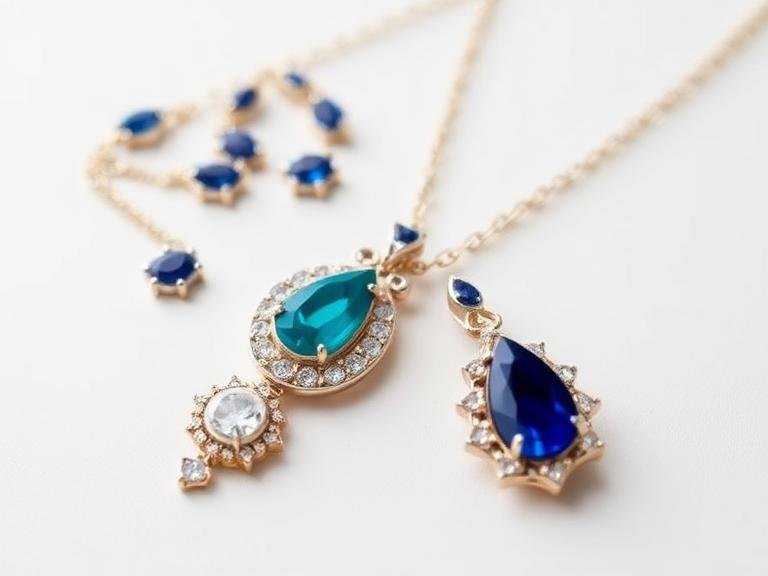
The world of jewellery design is bursting with opportunities to blend imagination and craftsmanship. No longer limited to familiar metals and gemstones, today’s jewellery landscape celebrates a fusion of techniques, materials, and visions. Whether you’re a hobbyist or an established artisan, tapping into creative uses for jewellery-making supplies will set your collection apart for customers who crave originality. Partnering with trusted suppliers, such as Ore Metals Australia, enables creators to undertake bold and innovative projects that showcase the dynamic possibilities in jewelry making.
As the market evolves, consumers seek not only beauty but stories, sustainability, and a sense of the personal in every piece. Adopting new methods—such as upcycling or integrating cutting-edge technology—empowers designers to engage deeply with both traditional skills and contemporary trends. In this guide, discover how unconventional materials, technological advances, and ethical approaches can elevate your jewellery-making practice.
Incorporating Unconventional Materials
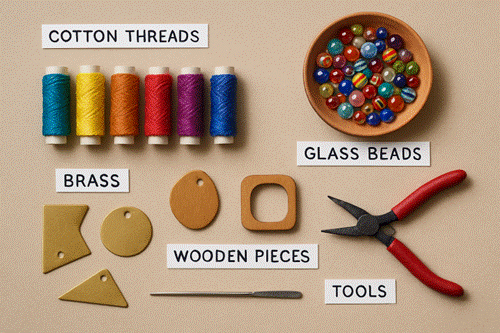
While precious metals and gemstones are enduring favourites, modern jewellery designers are increasingly daring in their material choices. Introducing unconventional components—think hand-dyed silk threads, recycled glass beads, or upcycled plastic—provides a distinctive tactile and visual appeal. Textile elements offer softness and movement, while ceramics, wood, and resin inject colour and earthy warmth. Creative combinations of seemingly unrelated materials—such as leather with crystal or paper quilling integrated into brooches—intrigue collectors and spotlight artistry over convention.
Experimenting with unconventional materials is also an opportunity to tell a story. For example, incorporating antique buttons, found objects, or cultural artifacts pays homage to heritage or personal memories. Not only does this approach diversify your creative palette, but it also generates conversation pieces that connect deeply with audiences. According to The New York Times, using unexpected items helps designers and buyers forge an emotional connection by imbuing each piece with meaning beyond aesthetics.
Utilizing Advanced Technologies
Modern jewellery design is being reshaped by groundbreaking technologies that open the door to unprecedented precision and innovation. 3D printing enables artists to create architectural structures and intricate details that would be impossible to make by hand, facilitating rapid prototyping and experimentation across various materials, including metals, plastics, and composites. Laser cutting, another game-changing method, enables designers to fabricate highly detailed patterns across a wide range of materials with remarkable accuracy.
Technology also extends the possibilities of personalisation and production scale. Digital modeling and virtual design software simplify the customization process, enabling jewelers to tweak and share designs easily before they are created. Many independent creators utilize platforms like CAD (Computer-Aided Design) to streamline their workflows and present clients with precise visual previews. These innovations lower the barriers to entry, allowing smaller makers to compete alongside luxury brands while producing one-of-a-kind, forward-thinking pieces. As noted in Vogue Institute of Design, technology is democratizing jewellery design and helping to keep craft evolving.
Embracing Sustainable Practices
The jewellery industry is experiencing a transformation as consumer demand rises for transparent, ethical, and eco-friendly products. Embracing sustainable practices in your creations is not only responsible—it offers a key point of differentiation in today’s marketplace. Sourcing recycled or responsibly mined metals reduces environmental harm while appealing to customers who value ethical choices. Eco-conscious packaging, from reusable pouches to biodegradable boxes, further demonstrates a commitment to sustainability.
Upcycling is a trend that blends green values with artistic ingenuity. Repurposing old, broken, or vintage jewellery into fresh designs gives new life to forgotten treasures and reduces waste. These one-off pieces resonate with buyers who appreciate both uniqueness and environmental awareness. Committing to sustainable practices, including fair-trade gemstones and local sourcing, aligns your brand with a broader movement toward mindful production and conscientious consumption.
Personalizing Your Creations
Personalisation stands out as one of the strongest driving forces in jewellery today. More than ever, shoppers seek pieces infused with sentimental or symbolic value. Simple customizations, such as adding engraved initials or meaningful motifs, can turn a beautiful accessory into a cherished keepsake. Many successful independent designers collaborate closely with clients, transforming their stories, dates, or family heritage into wearable art through co-designed projects.
Unique touches, such as birthstones, cultural symbols, and bespoke metal finishes, elevate your offerings beyond standard, mass-produced jewelry. By offering diverse personalization options, you foster client loyalty and deepen the emotional impact of your work. The demand for meaningful, tailor-made items shows no sign of slowing, especially as consumers shift away from generic, off-the-shelf choices.
Staying Ahead with Emerging Trends
Staying relevant in jewellery design means forecasting upcoming trends while continually pushing the boundaries of creativity. Currently, minimalist aesthetics with bold geometric forms are gaining momentum, mirroring broader fashion movements toward clean lines and subtle sophistication. At the same time, tech-infused jewelry—incorporating elements such as NFC chips, health trackers, or interactive design—is intersecting style with function for a digitally driven audience.
Keeping an eye on evolving colour palettes, shapes, and material innovations in global markets ensures your designs anticipate what’s next. Participating in workshops, digital communities, and jewellery fairs provides firsthand insights into what excites both emerging and established creators. By blending classic techniques with new advancements, you position your brand at the forefront of creativity, ready to meet the demands of tomorrow’s consumers.
Conclusion
Creative jewellery making is a continuous journey of experimentation, innovation, and influence. By integrating unconventional materials, leveraging the latest technologies, advocating for sustainable practices, and embracing personalization, you infuse your work with originality that resonates in a competitive, fast-changing field. A commitment to growth and adaptability enables designers to craft pieces that reflect both timeless beauty and contemporary relevance, establishing a truly distinctive presence in the vibrant world of jewelry design.