
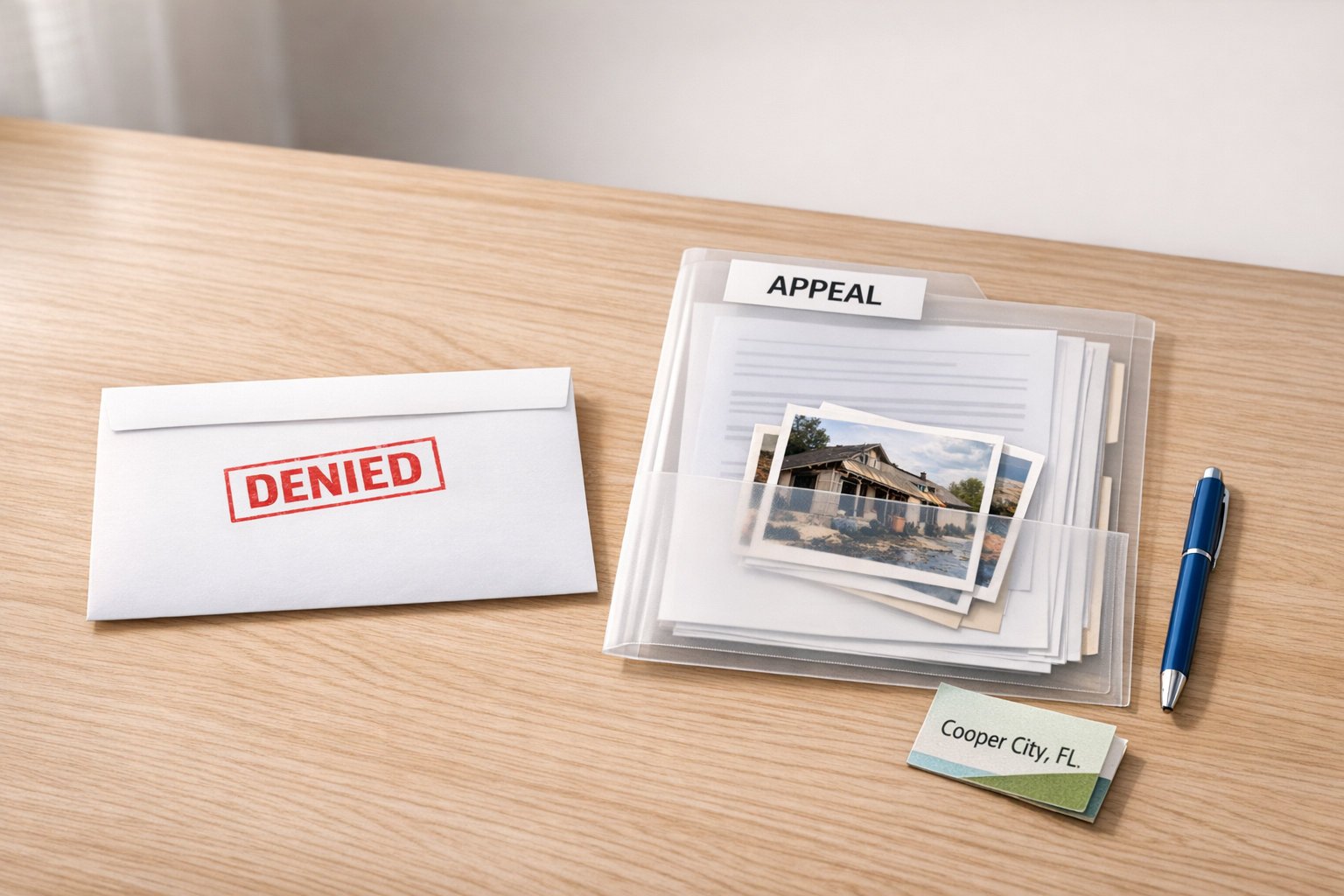
Facing an insurance claim denial can be overwhelming, leaving policyholders with questions and uncertainty. Knowing how to appeal insurance claim denial effectively is crucial for a potential reversal and fair settlement. This guide walks you through practical strategies for appealing a denied insurance claim, with a focus on Cooper City, FL, homeowners and renters.
Receiving an insurance claim denial after damage from storms, plumbing leaks, or theft, a scenario not uncommon in Cooper City and South Florida, can put your financial recovery at risk. Consulting a public adjuster in Cooper City, FL is one effective way to understand the process and your rights. Acting quickly, gathering documentation, and knowing your obligations under your policy are essential steps for making a strong case when you appeal insurance claim denial.
Understanding the Insurer’s Decision and Identifying Reasons for Denial
The first step in appealing a denied insurance claim is to carefully examine the denial letter from your insurer, especially if you are learning how to appeal a homeowners insurance claim denial. The letter should clearly state the reasons for denial, which may include missing documentation, late filing, or disputes over coverage. Understanding these explanations allows you to prepare a targeted appeal that directly addresses the insurer’s stated concerns.
Common reasons for denial in Cooper City, FL include allegations of pre-existing damage, policy exclusions, incomplete paperwork, or perceived negligence. Reviewing your communication with the insurer, your policy terms, and the documentation you submitted previously will help clarify where gaps may exist. By pinpointing these issues, you can respond more effectively in your appeal.
Gathering Evidence and Preparing an Appeal Package
Once you understand the basis for denial, begin gathering all relevant documents that support your claim, which is central to how to appeal insurance claim denial successfully. This typically includes photographs of the damage, repair estimates from local contractors, receipts for emergency work, and a timeline of when and how you notified your insurer. Creating a complete and organized claims folder ensures that nothing critical is overlooked as you prepare your appeal of an insurance claim denial.
Consider including detailed documentation specifically tailored to your type of loss, such as police reports for theft, contractor statements for storm damage, and all correspondence with your insurer. Organization and consistency are crucial when constructing your response, as they show diligence and bolster your credibility. A focused and comprehensive appeal package increases your chances of overturning the denial or achieving a fairer settlement.
Writing and Submitting the Appeal
Draft your appeal letter to address every point mentioned in the insurer’s denial, and treat it as a roadmap for how to appeal a homeowners insurance claim denial. Reference specific sections of your insurance policy to demonstrate coverage, and attach supporting evidence that fills in documentation gaps or clarifies issues noted by the insurer. Explain why you believe the denial was not justified and what resolution you seek from the company.
It is important to submit your appeal promptly, keeping within any timeframes set out in your policy for challenging a denied claim. Maintain clear and professional communication in all your written interactions, and keep records that support your effort to appeal insurance claim denial. Many policyholders in Cooper City, FL have found success by seeking clarification from the insurer or requesting a review by a supervisor. In some cases, referring to resources like PICC public adjusters can offer valuable support if the appeals process becomes complex.
Best Practices and Key Pitfalls to Avoid During the Appeal Process
Ensure that every statement you provide to the insurer—the dates, facts, and details—remains consistent across emails, letters, and phone calls. Inconsistencies or incomplete information can weaken your appeal and invite further scrutiny, especially when determining how to appeal a homeowners insurance claim denial. Never discard damaged property until it has been inspected or documented thoroughly, as this evidence is critical to the appeals process.
Missing deadlines, neglecting to follow the insurer’s instructions, and failing to maintain a thorough paper trail can all limit your options for a successful appeal. Staying organized, responding promptly, and following every step outlined in your policy protects your rights as a policyholder, particularly when preparing appeal insurance claim denial documentation. For Cooper City residents familiar with the unique weather-related risks of South Florida, these practices can safeguard future claims and support your ongoing efforts to appeal insurance claim denials.