
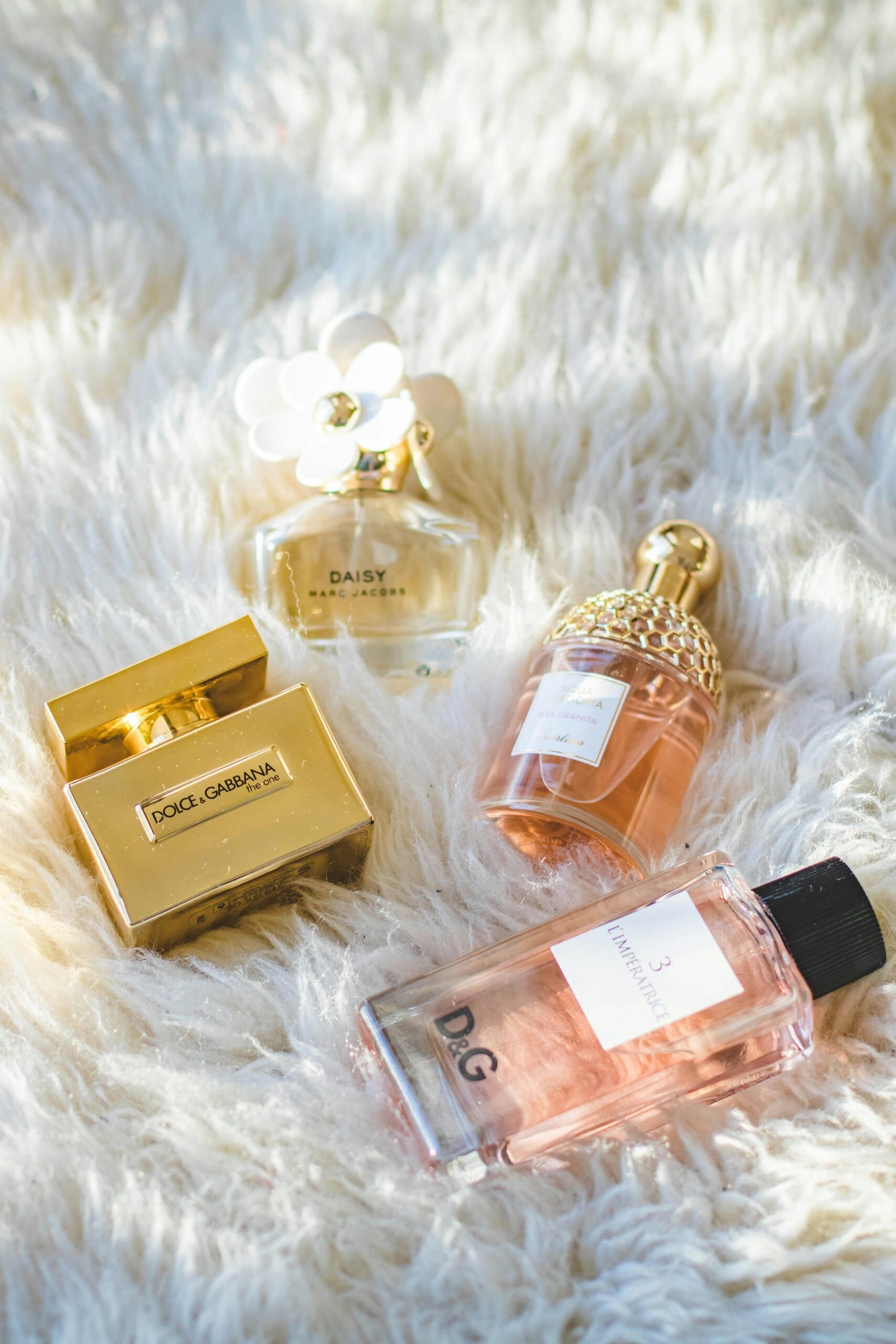
Many fragrance enthusiasts seek out more affordable alternatives to luxury perfumes without compromising on quality or enjoyment. Knowing how to evaluate these options can help you make well-informed choices and avoid frustrating purchases. This article breaks down the key factors for spotting standout fragrance dupes and offers step-by-step guidance for a better scent experience.
Understanding how to judge a fragrance alternative means you are less likely to be disappointed by scent longevity or similarity. By adopting a well-informed approach, you can navigate the world of fragrance dupes with greater confidence and select quality options that satisfy your preferences.
Understanding Fragrance Dupes and What Makes Them Similar to the Real Thing
The allure of fragrance dupes lies in their promise to echo the experience of popular luxury scents at a fraction of the price. When comparing an alternative to a revered scent, it is important to recognize what “dupe” really means in the context of perfumery. Rather than replicating an exact formula, a dupe focuses on capturing a similar scent profile that includes comparable top, heart and base notes. For example, a dupe inspired by a floral-oud blend might open with bright citrus, transition into a soft rose heart and finish with creamy sandalwood, mimicking the evolution of many luxury fragrances on the market.
Perfume structure is built around top notes influencing first impressions, heart notes forming the scent’s main character and base notes determining its lingering qualities. Performance factors such as projection, meaning how far a scent radiates and longevity, describing how long it lasts, can differ between an original fragrance and a dupe. A dupe of an eau de parfum may not project as strongly as the original or may last slightly less during a full work shift but still offer an authentic dry-down. Even small differences in note-taking or concentration can influence the overall impression.
Using Scent Profiles and Notes to Compare Options
Shopping by scent profile rather than branding helps you focus on the real olfactory experience. Broad note families, such as floral, woody, fresh or amber, give you a starting point for narrowing down viable alternatives. For example, if you enjoy fragrances with a fresh citrus opening followed by a warm, spicy cardamom heart, you can seek out alternatives listing these notes in their descriptions. Reading a fragrance’s listed notes allows you to map which dupe aligns most closely with your preferences. Paying attention to the proportions of top, middle and base notes can help refine the pool of contenders by matching not just the opening aroma but also the scent’s development over time.
When searching for alternatives, note that some brands provide fragrances inspired by classics while carefully tweaking individual notes or concentrations. This means you might encounter a version with a more pronounced sweetness or a softer woody undertone. Finding the best Bond No. 9 dupes to try can depend on decoding ingredient lists, assessing wear performance and recognizing genuine value cues. For consumers, evaluating both aroma similarity and performance characteristics, such as the presence of a noticeable base after six hours, can help determine the suitability of an alternative.
Identifying Quality Signals and Evaluating Fragrance Performance
Knowing what distinguishes higher quality alternatives will help you make better choices in an increasingly crowded market. Concentration types, such as eau de toilette, eau de parfum or perfume extract, affect both intensity and wear time. Taking into account the look, shape, feel and packing of the bottle can also be an influential factor.
Eau de parfum formulations tend to last longer through a typical eight-hour office day compared to eau de toilette, which might fade after four or five hours, especially in a warm commute. For many fragrance fans, a smoother dry-down, absence of harsh alcohol and well-blended transition between notes signal careful formulation. When sampling, noticing that top citrus notes are not overwhelmed by strong alcohol and that the shift to the base happens gradually rather than abruptly can be a sign of quality. Assessing these attributes requires paying attention to both technical descriptions and personal experience over several hours of wear.
Using Reviews, Resources and Packaging Cues for Smart Choices
Independent reviews and fragrance forums provide valuable perspectives but it is essential to focus on sources that offer detailed note breakdowns, clear wear time observations and side-by-side comparisons. Reviewers who document a fragrance’s citrus-amber opening, creamy musky dry-down and steady projection over six hours guide you in aligning performance with your expectations. Reliable user descriptions often highlight how alternatives evolve on the skin and whether their performance matches expectations set by original fragrances. Doing this research will help you feel more confident in your choice when you do pick a certain dupe.