
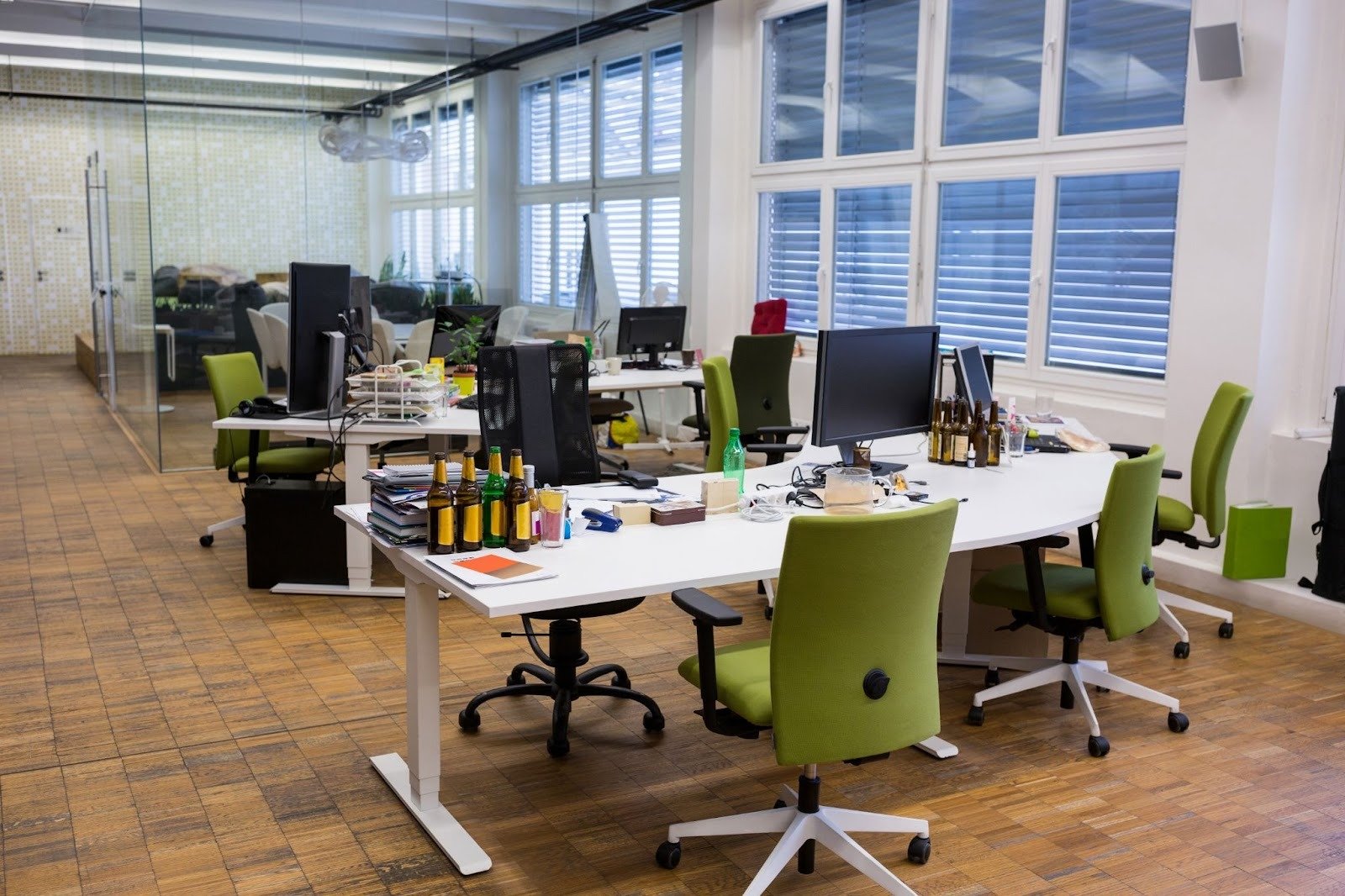
As businesses grow and evolve, the spaces they operate from can sometimes struggle to keep up. What once felt functional and professional can slowly become inefficient, outdated or misaligned with current business needs and ways of working. Yet for many business owners, deciding when to renovate and how much to invest in renovations isn’t always easy.
Understanding the signs that it’s time to renovate, along with the range of renovation options available, can help business owners make confident, future-focused decisions. This article explores some factors to consider when thinking of upgrading your business premises.
Signs that point to a reno
One of the clearest indicators that renovation should be on the agenda is a misalignment between your space and your operations. If your workforce has expanded, shifted to hybrid work post-COVID, or adopted new technology, your existing layout may no longer support productivity. Overcrowded desks, limited meeting rooms or poorly utilised areas can gradually slow teams down.
Ongoing maintenance issues can also signal that patchwork fixes are no longer enough. Frequent repairs, ageing infrastructure and rising energy costs may point to deeper inefficiencies that a full renovation could resolve more effectively over the long term.
Client experience, especially for customer-facing businesses, as your commercial premises often shape first impressions. A space that feels tired, cluttered or difficult to navigate can unintentionally undermine trust and professionalism, particularly in competitive industries.
Last but certainly not least is employee well-being. Poor lighting, inadequate ventilation, uncomfortable temperatures and dated amenities can all contribute to fatigue and reduced morale. For businesses that are increasingly focused on attracting and retaining talent, the wrong work environment plays a meaningful role in overall staff satisfaction.
Renovating vs. relocating
Before committing to a renovation, it is worth considering whether relocating premises altogether might be the better option. Renovation often makes sense when the building you’re in no longer meets your needs but still works in terms of proximity to clients, staff, and transport.
While relocating might cost more once you account for lease exits, downtime, fit-out costs, and the disruption of moving operations, it might be the better option in the long run if the building you’re in has structural limitations or can’t be adapted to meet future requirements. The key to deciding whether to renovate or relocate is to assess whether your current premises can support not just your business today, but also in the future.
Simple upgrades that make a difference
Not all renovations need to be large-scale. Subtle upgrades such as repainting interiors, replacing worn flooring or carpets, improving lighting, updating reception or customer-facing areas, or even adding acoustic treatments to reduce noise can significantly improve how a space looks and functions without major disruption. These cost-effective changes can refresh a workplace quickly while also improving comfort and energy efficiency, which is an important consideration as operating costs continue to rise.
Technology upgrades are another simple but effective option, as these have the potential to streamline operations and even contribute to employee work satisfaction. Improved connectivity, upgraded cabling and modern meeting room setups can support more flexible and efficient ways of working without altering the building’s structure.
Medium-scale renovations
While small upgrades can make a world of difference, as businesses grow, they often need reconfiguration rather than just cosmetic refurbishments.
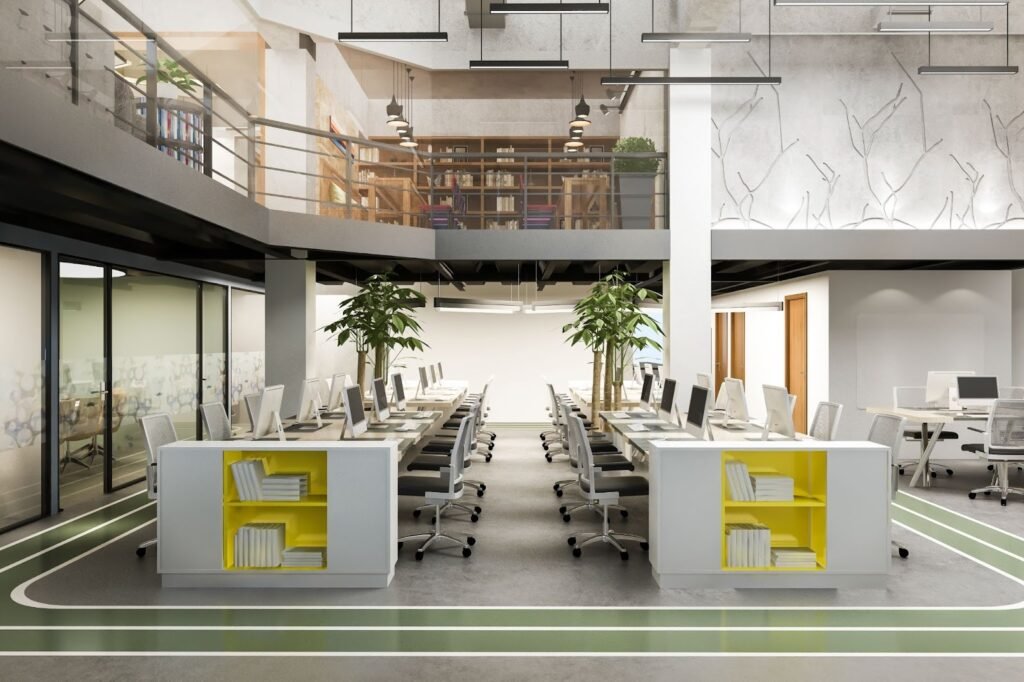
Some bigger renovations might involve adjusting layouts, removing walls, or repurposing underused spaces. For example, traditional offices may be transformed into collaborative zones, hot desks, or private meeting rooms. Storage spaces can be redesigned for practical use, while quiet areas or breakout zones can support focus and well-being.
For larger renovation projects, careful planning is essential as upgrades must comply with state building codes and standards, including accessibility requirements and workplace safety regulations. It’s also important to understand how renovation costs are treated from a financial and tax perspective, as different types of work may be categorised differently.
Large-scale renovations
For businesses undergoing rapid expansions, rebranding or complete operational changes, a major renovation may be the most effective solution.
These projects often involve structural work, upgraded services and detailed scheduling to mitigate major disruptions. For more extensive renovations, bringing on a team of contractors and project managers, such as those working in joint venture construction, is advisable. Coordinated expertise allows complex projects to be managed efficiently while maintaining quality, compliance and timelines.
Larger renovations also present an opportunity to future-proof your premises by designing adaptable layouts, improving energy performance and ensuring the space can evolve alongside your business.
Renovations should deliver long-term value
Successful office renovations start with clear goals. It is essential to identify what isn’t working, what needs to improve and how success will be measured to help guide smarter decisions throughout the process.
Open communication with staff is one of the most crucial aspects to consider when planning a renovation, no matter how big or small. Involving employees from the onset can provide practical insights, avoid uncertainty, and help maintain morale during periods of change.
Ultimately, renovating your business premises is about more than appearance. It’s about creating a space that supports productivity, reflects your brand and positions your business for sustainable growth in an increasingly competitive market.