Winning a car accident case often depends less on what happened in the moment of impact and more on what can be proven afterward. Evidence provides the foundation for establishing fault, demonstrating the extent of injuries, and connecting those injuries directly to the crash. Without clear and well-documented proof, even legitimate claims can face delays, disputes, or denials. Understanding what types of evidence matter most can help clarify how car accident claims are evaluated and why certain details carry more weight than others.
From official reports and medical records to photographs, witness statements, and digital data, each piece of evidence plays a specific role in building a coherent narrative of the accident. Legal discussions and informational resources, including articles found on sites such as blakefriedmanlaw.com, often emphasize how the quality, consistency, and timing of evidence can significantly influence outcomes. Understanding how these elements interact can help individuals better comprehend the claims process and the standards used to evaluate responsibility and damages in car accident cases.
Police Reports
Police reports are foundational in any Nevada car accident case. Officers who respond to the accident compile an official narrative detailing the sequence of events, property damage, and any apparent violations. This report may include diagrams, initial statements from drivers and witnesses, and the officer’s observations about fault or contributing circumstances. While the document itself might be inadmissible in court due to hearsay rules, law enforcement officers can testify about their investigative findings, making the report a crucial reference during negotiations or trial.
Photographic and Video Evidence
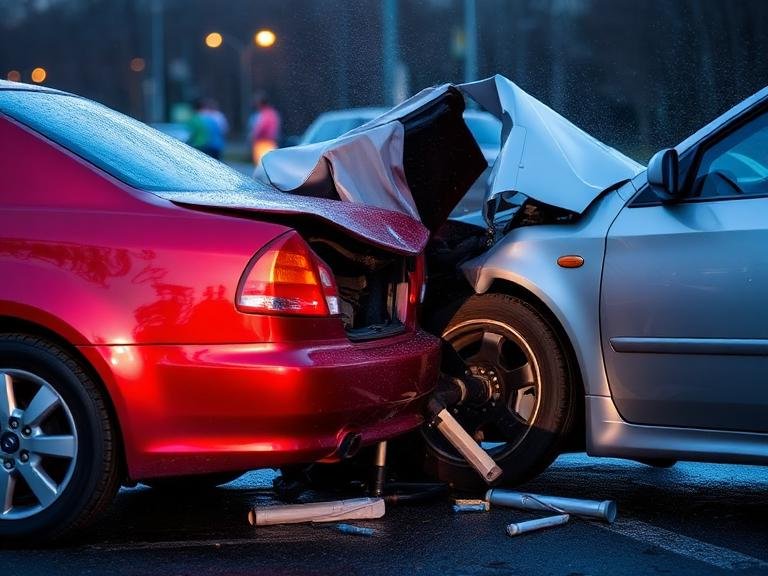
Photos and video recordings provide indisputable visual proof of the accident’s aftermath. Use your phone to capture wide shots and close-ups of all vehicles, positions on the road, traffic signals, debris, damage, skid marks, and any injuries. Take photos from multiple angles to eliminate ambiguity. Video can also document traffic flow and weather at that moment. The more comprehensive your records are, the harder they will be for an insurance adjuster or opposing party to dispute.
Witness Statements
Individual perspectives from unbiased third parties often carry significant weight in car accident claims. Gather names and contact details of anyone who saw the crash, as well as written or recorded statements when possible. Witness recollections can help verify your version of events or contest an inaccurate claim by the other driver. Encourage witnesses to make their statements promptly, as memories can fade over time.
Medical Records
Thorough, time-stamped medical records are vital to establishing the severity and direct cause of accident-related injuries. These documents may include emergency care reports, diagnostic imaging results, doctors’ notes, treatment plans, receipts, and follow-up summaries. Medical documentation demonstrates the link between the accident and your injuries and supports your claim for compensation relating to treatment, pain, permanent disability, and lost wages.
Event Data Recorders
Most vehicles manufactured in the past decade are equipped with Event Data Recorders (EDRs), which record technical data in the seconds leading up to, during, and after a crash. EDRs capture information such as speed, brake engagement, force of impact, and whether seat belts were fastened. Accessing EDR data often requires legal and technical expertise, but it can be extraordinarily valuable for reconstructing what happened and identifying liability. If your accident involves a newer vehicle, discuss EDR data retrieval with your legal team promptly to prevent evidence from being lost.
Surveillance Footage
Footage from intersection cameras, dash cams, or security cameras mounted on nearby buildings can serve as unbiased digital witnesses. Surveillance recordings often clarify the cause of accidents, especially in cases involving disputed liability or hit-and-run incidents. To secure this evidence, act quickly to contact the police, local businesses, or public agencies, as most videos are stored temporarily before being deleted or overwritten.
Weather and Road Conditions
Environmental conditions frequently play a pivotal role in Nevada car accidents. Rely on photos, news archives, or archived weather reports to document the weather, lighting, visibility, and state of traffic controls or signage at the time of your crash. You may also use expert testimony to explain how road or weather factors contributed to the collision. Careful documentation of storm damage, hazards, or longstanding road defects can significantly strengthen your case.
Driver Statements and Admissions
Any statements made by drivers immediately following a collision—especially admissions of fault such as “I’m sorry, I didn’t see the red light”—can be admissible evidence. Nevada courts may consider these spontaneous declarations when determining liability. However, be extremely mindful about what you say at the scene. Even seemingly innocent remarks can be interpreted against your interests later.
Conclusion
Building a strong car accident case in Nevada relies on careful collection and preservation of evidence. Each piece—from police reports and medical records to photos, witness statements, and digital data—helps establish fault and support your claim for compensation. By acting promptly and documenting every relevant detail, you increase your chances of a successful outcome while protecting your legal rights throughout the claims process.