
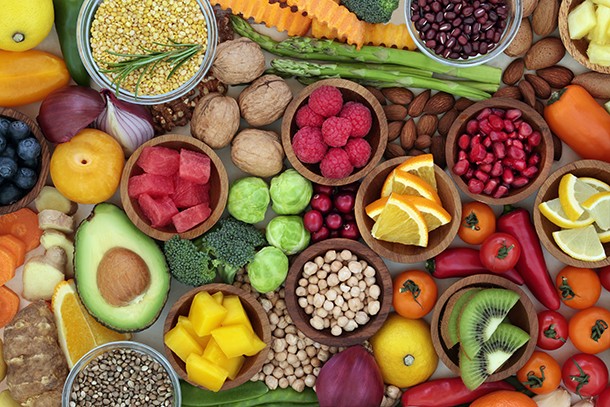
Let’s be honest—life today moves fast. Between work, social media, deadlines, and endless distractions, food often becomes an afterthought. But here’s the catch: what you eat quietly shapes everything—from your energy levels to your long-term health. Nutrition isn’t just about eating salads or avoiding junk food; it’s about fueling your body like you would fuel a high-performance machine.
According to the World Health Organization, unhealthy diets are one of the biggest risk factors for diseases like heart disease, diabetes, and even cancer. That’s not a small deal. Think of your body like a car—if you constantly fill it with low-quality fuel, it won’t run smoothly for long. The same applies to your daily food choices.
Modern lifestyles have made things even trickier. We now rely heavily on processed foods loaded with sugar, salt, and unhealthy fats. Convenience often wins over nutrition. But here’s the good news: improving your everyday nutrition doesn’t require a complete life overhaul. Small, consistent changes can create massive long-term benefits. That’s exactly what this guide is all about—real, practical ways to make your everyday life better through nutrition.
Understanding the Basics of a Healthy Diet
Before diving into habits and hacks, let’s get one thing straight: what does a “healthy diet” actually mean? It’s not about following strict rules or trendy diets. Instead, it’s about balance, variety, and sustainability.
The World Health Organization highlights four core principles of a healthy diet: adequacy, balance, moderation, and diversity. These might sound technical, but they’re actually simple when broken down.
- Adequacy means your diet provides all the essential nutrients your body needs.
- Balance ensures you’re not overloading on one type of food while ignoring others.
- Moderation helps you limit harmful elements like sugar and saturated fats.
- Diversity encourages eating a wide range of foods to cover all nutrients.
Think of your plate like a colorful palette. The more variety you add—vegetables, fruits, grains, proteins—the more complete your nutrition becomes. Sticking to the same foods every day might feel convenient, but it limits your nutrient intake.
A healthy diet isn’t about perfection. It’s about making better choices more often than not. And once you understand these basics, everything else becomes much easier.
Simple Daily Habits That Improve Nutrition
Improving nutrition doesn’t require a strict diet plan. In fact, some of the most effective changes are surprisingly simple.
Start with breakfast. Research shows that eating a balanced breakfast rich in fiber or protein can improve metabolism and overall health. A recent study even found that larger, nutrient-rich breakfasts can help regulate blood sugar and improve heart health. That means skipping breakfast or grabbing sugary snacks might be doing more harm than you think.
Hydration is another overlooked factor. Your body depends on water for digestion, energy, and even brain function. Yet many people walk around slightly dehydrated without realizing it. A simple habit like drinking water first thing in the morning can kickstart your metabolism and improve focus throughout the day.
Here’s the key idea: consistency beats intensity. You don’t need to be perfect every day. Just aim to make better choices more often—like choosing fruit over chips or water over soda. These small habits might seem insignificant at first, but over time, they build a strong foundation for better health.
The Power of Whole Foods
If there’s one golden rule in nutrition, it’s this: eat more whole foods. These are foods that are minimally processed—like fruits, vegetables, whole grains, nuts, and lean proteins.
Why does this matter? Processed foods often contain hidden sugars, unhealthy fats, and artificial ingredients that offer little nutritional value. They’re designed for taste and convenience, not health.
Whole foods, on the other hand, are packed with nutrients your body actually needs. They provide fiber, vitamins, and minerals that support everything from digestion to immunity. Studies show that diets rich in whole foods can reduce the risk of chronic diseases and even increase lifespan.
Think of it this way: eating whole foods is like giving your body premium fuel. You feel more energetic, your digestion improves, and your overall health benefits in ways you might not even notice immediately.
You don’t have to eliminate processed foods. Just try to shift your diet gradually. Replace packaged snacks with fruits, swap refined grains for whole grains, and choose fresh meals over fast food whenever possible. These simple swaps can make a huge difference.
Smart Meal Planning for Busy People
Let’s face it—most people don’t eat unhealthily because they want to. They do it because they’re busy. When time is limited, convenience takes over. That’s where meal planning comes in.
Planning your meals is like setting yourself up for success. Instead of deciding what to eat when you’re hungry (which often leads to poor choices), you already have a plan in place.
Start small. Plan just a few meals each week. Cook in batches and store portions for later. Even preparing one extra homemade meal per week can improve your diet significantly.
Here’s a simple comparison:
| Approach | Result |
|---|---|
| No planning | More junk food, impulsive eating |
| Meal planning | Better nutrition, less stress |
Meal planning doesn’t have to be complicated or expensive. In fact, it can save money by reducing food waste and unnecessary purchases. Think of it as investing a little time up front to make your entire week easier and healthier.
Importance of Fruits and Vegetables
You’ve probably heard this a thousand times: eat more fruits and vegetables. But do you actually know why?
Fruits and vegetables are nutritional powerhouses. They’re rich in vitamins, minerals, antioxidants, and fiber—all essential for maintaining good health. The World Health Organization recommends at least 400 grams (about five portions) per day.
Yet many people fall short of this target.
Adding more fruits and vegetables doesn’t have to be boring. You can blend them into smoothies, add them to sandwiches, or include them in your favorite dishes. Even small additions—like one extra serving per day—can have noticeable health benefits.
Think of fruits and vegetables as your body’s defense system. They help fight inflammation, boost immunity, and support overall well-being. Skipping them is like leaving your body unprotected.
Protein, Carbs, and Fats-Getting the Right Balance
Macronutrients—protein, carbohydrates, and fats—are the building blocks of your diet. Each plays a unique role in keeping your body functioning properly.
- Protein helps build and repair tissues.
- Carbohydrates provide energy.
- Fats support brain function and hormone production.
The key is balance. Too much or too little of any one nutrient can cause problems. For example, excessive sugar intake can lead to weight gain and health issues, while too little protein can leave you feeling weak and fatigued.
Recent trends show that many people are focusing more on protein to improve energy and weight management. But balance still matters. A healthy diet includes all three macronutrients in the right proportions.
Choose healthier sources:
- Whole grains instead of refined carbs
- Lean meats or plant-based proteins
- Healthy fats like nuts and olive oil
When your diet is balanced, your body works more efficiently—and you feel it in your daily life.
Mindful Eating: A Game-Changer
Have you ever eaten a full meal and still felt unsatisfied? That’s often because you weren’t truly paying attention.
Mindful eating is about being present while you eat. It means slowing down, enjoying your food, and listening to your body’s signals. This simple practice can help prevent overeating and improve digestion.
Emotional eating is another common challenge. Stress, boredom, or sadness can lead to unhealthy food choices. Recognizing these patterns is the first step toward change.
Think of mindful eating as reconnecting with your food. Instead of rushing through meals, take a moment to appreciate what you’re eating. It’s a small shift that can lead to big improvements.
Small Changes That Make a Big Difference
Here’s the truth: you don’t need a drastic diet to improve your nutrition. Small, consistent changes are often more effective.
Cooking at home is one of the most impactful habits you can adopt. It gives you control over ingredients, portion sizes, and cooking methods. Even adding one extra homemade meal per week can make a difference.
Reducing sugar and salt intake is another powerful step. High sugar consumption is linked to various health issues, while excess salt can increase blood pressure. The recommended limit for salt is less than 5 grams per day.
These changes might seem small, but they add up over time. It’s like saving money—tiny deposits eventually grow into something significant.
Building Sustainable Nutrition Habits
The biggest mistake people make? Treating nutrition like a temporary project.
Crash diets and extreme restrictions might work for a short time, but they’re rarely sustainable. What you need instead is a lifestyle approach—something you can maintain long-term.
Focus on habits, not perfection. Aim for progress, not instant results. Remember, even improving your diet slightly can have meaningful health benefits.
Studies show that consistent healthy eating patterns can add years to your life and reduce the risk of chronic diseases. That’s a powerful incentive to make better choices today.
Conclusion
Improving your everyday nutrition isn’t about following strict rules or giving up your favorite foods. It’s about making smarter, more mindful choices that fit your lifestyle. From eating more whole foods to planning your meals and staying hydrated, small changes can lead to big results.
Think of nutrition as a long-term investment in your health. Every healthy choice you make today contributes to a better tomorrow.
FAQs
1. What is the easiest way to improve daily nutrition?
Start small—drink more water, add one serving of fruits or vegetables, and reduce processed foods. Consistency matters more than perfection.
2. How much water should I drink daily?
While needs vary, a general guideline is around 2–3 liters per day, depending on activity level and climate.
3. Is it necessary to follow a strict diet plan?
No. Sustainable habits are more effective than strict diets. Focus on balance and consistency.
4. Can I eat unhealthy foods occasionally?
Yes. Moderation is key. Occasional treats won’t harm your overall health if your daily habits are balanced.
5. How long does it take to see results from better nutrition?
Some benefits, like improved energy, can be felt within days, while long-term health improvements develop over weeks and months.