Cosmetology education is undergoing significant changes as technology, inclusivity, and sustainability transform the way the beauty industry trains its future professionals. These shifts empower students to expand their skills while keeping pace with emerging industry demands, making now an ideal time to explore your options at a leading cosmetology school. As expectations rise among clients and employers alike, beauty students must remain agile and seek educational programs that align with the new standards in the field.
Whether you’re new to the industry or advancing your career, understanding the latest educational trends is crucial to achieving success in this dynamic and rewarding profession. From green beauty practices to cutting-edge digital classrooms, the landscape is transforming to offer better outcomes for both learners and clients. Evolving regulations and new licensing standards also emphasize serving a broader range of consumers and providing a more holistic approach to beauty and wellness.
Embracing Digital Innovation
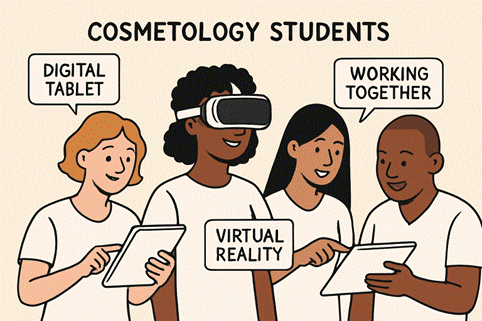
Digital technology is transforming the way aspiring beauty professionals experience the classroom. Online modules, virtual simulations, and video instruction allow students to learn technical skills safely and at their own pace before transitioning to live practice. Tools like virtual reality (VR) immerse students in lifelike scenarios, such as performing cuts or color treatments in a simulated salon setting, helping them gain proficiency and confidence faster and with less pressure.
Web-based lessons offer flexibility, enabling educators to provide instant feedback. Schools now leverage technology to connect students, instructors, and mentors, sometimes even across different locations. This fosters a supportive learning community—one that mirrors digital workplace environments prevalent in many other industries. As reported by Allure Magazine, this digital shift is giving students real-world skills they’ll need for long-term career growth.
Incorporating Textured Hair Education
Both student initiatives and regulatory changes drive the movement towards greater inclusivity in cosmetology training. With more states requiring instruction in textured hair and cultural competence, schools are updating their curricula. This means that graduates are prepared to work confidently with all hair types, expanding their client base and ensuring equitable service for everyone who visits a salon. California’s mandate for textured hair education marks a significant milestone, but many other states are following suit, reshaping industry norms nationwide.
Adopting Sustainable Practices
Eco-consciousness has become a central focus of modern cosmetology education. Schools are increasingly integrating sustainability by prioritizing waste reduction, energy efficiency, and water conservation in their training programs. Students learn to use refillable or biodegradable products and incorporate certifications, such as Green Circle Salons, into their future workplaces. According to Vogue, sustainability isn’t just a trend, but a necessary evolution for the industry’s long-term health and consumer trust. Graduates well-versed in green beauty can effectively address the rising demand from clients for ethical and environmentally responsible services.
Focusing on Holistic Wellness
Beauty and wellness are increasingly intertwined in educational programs. Today’s cosmetology students learn methods that address clients’ aesthetic and mental well-being, from calming aromatherapy facials to scalp massages for stress relief. By mastering these practices, future professionals help clients leave the salon not only looking better, but also feeling better. This holistic shift prepares graduates to stand out as trusted beauty advisors, supporting mental health along with traditional services.
Providing Flexible Learning Options
The traditional, full-time campus experience no longer fits everyone’s lifestyle. Many cosmetology schools offer part-time, evening, and hybrid options, making careers in beauty accessible to students balancing jobs or family life. Online theory classes coupled with in-person practice provide a supportive pathway for all types of learners. Schools emphasize career coaching and mentorship for non-traditional students, helping them thrive in and beyond the classroom. For more on new models in higher education, visit The New York Times.
Industry Outlook: Preparing for a Dynamic Future
The industry is on the cusp of further transformation, with ongoing innovation in products, services, and client expectations. Cosmetology educators play a vital role in shaping resilient, adaptable professionals ready for change. By keeping curriculum updated and aligned with state, national, and global standards, schools position graduates to become industry leaders and influencers. Networking opportunities, continuing education, and lifelong learning are increasingly valued, and many leading programs now incorporate business acumen and digital marketing skills into their core curriculum.
Conclusion
Cosmetology education is evolving rapidly, creating new pathways for students to build rewarding, future-focused careers. Several key trends drive this transformation. The integration of digital tools and business technology is now standard, alongside inclusive training ensuring competence in diverse hair and skin types.
The curriculum is expanding to include holistic wellness and strong green initiatives, fostering a more compassionate and sustainable industry. Combined with flexible learning pathways, these changes are setting the stage for a highly innovative profession. By embracing these modern trends, tomorrow’s graduates can not only excel in their craft but also better serve the diverse needs of every client who sits in their chair.