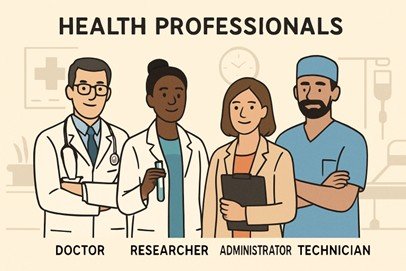
Exploring a career in health science is a rewarding journey that combines meaningful work with impressive professional prospects. The constantly evolving nature of the health sector means that those with a passion for improving well-being, combined with a solid educational background—such as a health science bachelor degree online—can carve out dynamic, future-proof roles in many different settings. Whether you’re drawn to hands-on patient care, innovative research, or vital administration, health science provides diverse avenues for personal and professional fulfillment.
The field stands out for its job stability, competitive salaries, and growth opportunities. Advances in medical technology and an increasing focus on preventative care are driving demand for qualified professionals across the health science spectrum. This has broadened the scope of roles, making it an inviting space for both recent graduates and established professionals seeking a meaningful career pivot.
From clinical roles such as speech-language pathologists and athletic trainers to key administrative positions, health science is not limited to one work environment or specialty. This versatility means professionals can tailor their career path to their skills and interests, whether it’s through working directly with patients or supporting health systems behind the scenes.
The dynamic interplay between public health initiatives, patient-centered care, and emerging technologies shapes a landscape where continuous learning is essential. Health science professionals are called not only to master their specialties but to adapt to new tools, policies, and patient needs in a sector vital to communities worldwide.
Overview of Health Science Careers
Health science encompasses a wide array of disciplines aimed at enhancing health and quality of life. Professionals may specialize in direct patient care, such as diagnosing and treating disorders, or in shaping policy, conducting scientific research, or bringing innovative health technologies to market. Work environments are equally diverse, ranging from large hospital systems and laboratories to schools, corporate offices, and government agencies.
Teamwork, communication, and adaptability are all essential, as many roles involve collaboration with other healthcare providers, clients, and stakeholders. This collaborative atmosphere—not just within hospitals or clinics, but also in research and community organizations—ensures care is both practical and patient-centered.
Health science also offers more behind-the-scenes roles, such as data analysis, public health education, and policy development. These positions are critical for the planning and implementation of health programs that improve population health outcomes.
Educational Pathways
The educational requirements for a career in health science vary depending on the desired role. Many positions begin with a bachelor’s degree in health science or a related field, which provides a broad foundation in biology, chemistry, ethics, and health systems. Specializations may require additional education, such as master’s degrees for speech-language pathologists or advanced certifications for clinical laboratory scientists. Entry-level roles, such as medical laboratory technicians, may only require an associate’s degree. In contrast, others, such as healthcare administrators, may benefit from graduate-level credentials, especially when pursuing leadership roles.
In-Demand Health Science Careers
The healthcare sector is seeing robust growth, which in turn drives strong demand for allied health professionals. Career options that are particularly in demand include:
- Speech-Language Pathologists: Responsible for assessing and treating speech, language, and swallowing disorders. These professionals are vital for patient rehabilitation, especially for children and aging adults. Median salaries reach nearly $95,410, and employment is projected to grow by 18% from 2023 to 2033.
- Athletic Trainers: With deep knowledge of the musculoskeletal system, athletic trainers play a central role in sports medicine, injury prevention, and rehabilitation, serving athletes and non-athletes alike.
- Healthcare Administrators: These professionals oversee operations in hospitals, clinics, and nursing homes. They ensure compliance with healthcare laws and manage finances, human resources, and the patient experience, with salaries typically ranging from $80,000 to $120,000.
Essential Skills for Success
Technical expertise forms the foundation of most health science careers, but soft skills distinguish effective professionals. Communication, empathy, and the ability to make sound decisions under pressure are all highly prized. Key competencies include:
- Communication: Sharing complex information in a way that is respectful and easy to understand for diverse populations.
- Critical Thinking: Using scientific and data-driven approaches to evaluate problems and develop solutions.
- Empathy: Providing emotional support and understanding to patients and families.
- Adaptability: Responding to rapid advances in science, medicine, and healthcare delivery.
Impact of Technology on Health Science Careers
Technology is revolutionizing the health science landscape. Artificial intelligence and machine learning are enhancing diagnostics, accelerating drug discovery, and reducing administrative burdens through automation. The adoption of telemedicine has expanded access to healthcare, especially in underserved rural communities. At the same time, wearable technologies and mobile health apps enable patients to monitor their own health outside of traditional medical environments.
Job Outlook and Salary Expectations
Health science careers continue to benefit from high demand, with the U.S. Bureau of Labor Statistics projecting about 1.9 million new health-related job openings each year from 2023 to 2033. Factors fueling this growth include an aging population, a greater emphasis on mental health, and ongoing public health challenges. Salaries are highly competitive, often reflecting the vital nature and level of expertise required in these roles. Median pay for health science professionals varies significantly based on specialty, education, and region, but continues to rise alongside demand.
Continuing Professional Development
To remain competitive and effective, health science professionals must engage in lifelong learning. Many roles require ongoing certification and continuing education credits to keep pace with the latest regulatory, scientific, and technological changes. Advancing your credentials through graduate degrees or specialized certifications can open doors to leadership positions and higher salaries. Active participation in professional organizations and conferences, such as those sponsored by the American Public Health Association, further supports continuous growth and keeps professionals connected to industry innovation.
Conclusion
Pursuing a career in health science brings the promise of personal meaning and professional advancement. With a clear understanding of educational requirements, the influence of technology, and the many roles available, aspiring health professionals can align their ambitions with the ongoing needs of a dynamic, evolving healthcare system. Whether supporting patients directly or innovating behind the scenes, careers in health science are essential to building healthier communities.