Shopping for a new SUV is an exciting experience, but safety should always be your top priority when narrowing down your options. As vehicle technology rapidly advances, modern SUVs integrate numerous safety systems specifically designed to reduce the risks of accidents and enhance driver awareness. Choosing a vehicle equipped with the latest protection measures not only ensures a secure drive but also brings peace of mind on the road. For buyers exploring their options, having access to a wide range of vehicles is crucial. For those interested in current models, Honda HR-V dealers offer some of the most popular, safety-forward SUVs on the market today.
The automotive industry’s safety innovations, once exclusive to luxury cars, are now in mainstream models. Knowing these helps you make informed choices, from driver assistance to emergency systems. When shopping, consider reputable dealerships offering certified vehicles with safety upgrades. This approach turns vehicle buying from overwhelming to empowering.
Automatic Emergency Braking (AEB)
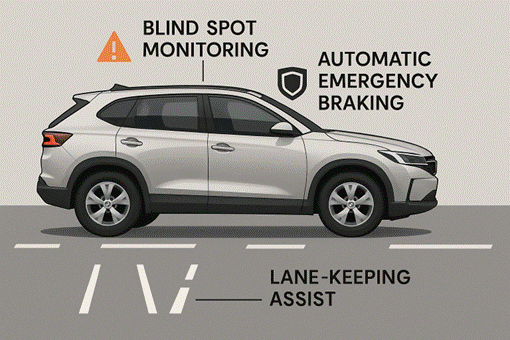
Automatic emergency braking has emerged as one of the most significant advancements in modern SUV safety. AEB systems utilize sensors, cameras, or radar to monitor traffic situations and automatically apply the brakes if a collision becomes imminent and the driver fails to take action. This feature can dramatically reduce the severity of crashes or even prevent them entirely, especially rear-end collisions that are common in congested driving environments. Most new SUVs—such as recent models from Toyota, Honda, and Subaru—offer AEB, making it a standard feature in any family vehicle. According to the National Highway Traffic Safety Administration, vehicles equipped with AEB experience significantly fewer front-to-rear crashes.
Blind-Spot Monitoring
Blind-spot monitoring uses radar- or camera-based systems to detect vehicles approaching from behind or traveling in neighboring lanes. Alerts are typically issued through illuminated icons in side mirrors or audible warnings. This feature enhances driver confidence during lane changes and merges, helping avoid dangerous side-swipe accidents and supporting overall situational awareness. Rear cross-traffic alert is often paired with blind-spot monitoring, assisting drivers when reversing out of parking spaces—a valuable addition for urban and suburban driving. For shoppers comparing models or visiting Honda dealers in Georgia, many industry experts consider these technologies essential components of modern vehicle safety.
Lane-Keeping Assist
Lane-keeping assist systems utilize cameras to detect road markings and gently steer the vehicle back within its lane if it detects drifting without signaling. Physical or audible alerts, as well as small corrective steering actions, help prevent accidents caused by drowsiness, distraction, or momentary lapses in attention. In addition to reducing the likelihood of single-vehicle roadway departures, these systems are shown to significantly reduce accidents during highway driving, making them an especially valuable tool for frequent travelers or those with long commutes. Most notably, the latest versions offer seamless assistance, working in conjunction with adaptive cruise control for semi-automated highway driving.
Adaptive Cruise Control
Adaptive cruise control (ACC) builds upon traditional cruise technology by automatically adjusting speed to maintain a safe following distance from the car ahead. By leveraging advanced sensors or radar, ACC can slow the SUV in response to changing traffic flow and resume a preset speed once the lane is clear. This smart feature helps reduce driver fatigue on long journeys, promotes smoother highway trips, and adds a critical layer of safety in stop-and-go conditions. Innovative systems can even bring the vehicle to a complete stop and restart it, further reducing the likelihood of human error during stressful commutes.
Pedestrian Detection
As urban areas become increasingly busy and populated, pedestrian detection technology has become vital. Typically, a subset of the AEB system, these sensors can detect people crossing the vehicle’s path, warning the driver or applying the brakes if necessary. Pedestrian detection provides a notable sense of peace of mind for families, city dwellers, and anyone driving in areas with frequent pedestrian traffic. Studies show that integrating this feature results in significant reductions in pedestrian-related incidents and injuries, highlighting its importance for modern SUV buyers seeking comprehensive protection.
Evaluating Safety Ratings
Once you’ve identified must-have features, researching independent safety ratings is the next step. Organizations such as the Insurance Institute for Highway Safety (IIHS) and the National Highway Traffic Safety Administration (NHTSA) conduct rigorous, standardized crash tests to rate vehicle performance and occupant protection. Aim for SUVs that have earned top marks, such as IIHS’s Top Safety Pick+ or a 5-star overall rating from the NHTSA. In addition, publications like Edmunds and Car and Driver regularly highlight models with outstanding safety records and features.
Conclusion
Modern SUVs lead the way in automotive safety thanks to their integration of advanced accident-prevention and driver-assistance technologies. Prioritizing features like automatic emergency braking, lane-keeping assist, blind-spot monitoring, adaptive cruise control, and pedestrian detection enhances every trip, reducing daily risks both on highways and in cities. Consulting expert safety ratings ensures the vehicle you choose protects what matters most, providing comfort and confidence for years to come.